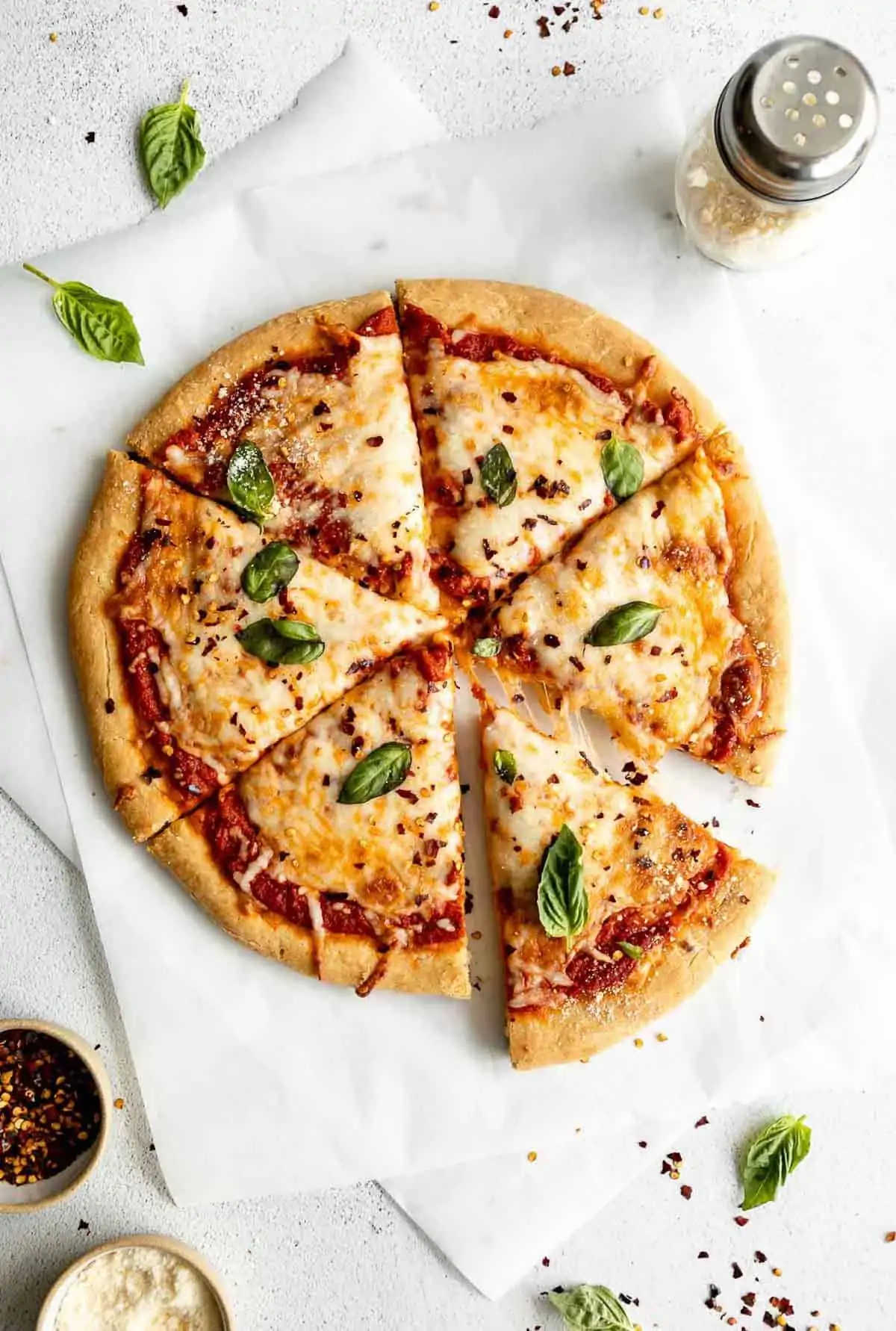
The Ultimate Homemade Gluten-Free Pizza Guide – Crispy Crust, Soft Center & Easy Preparation
Introduction: A Perfect Gluten-Free Pizza Made at Home
Finding a delicious gluten-free pizza recipe that delivers the same satisfying texture as traditional pizza can feel challenging. Many gluten-free crusts turn out too dry, crumbly, or lacking in flavor. However, with the right combination of gluten-free flour, yeast, proper hydration, and baking technique, you can create a homemade gluten-free pizza with a beautifully crisp outside and a soft, chewy middle.
This easy gluten-free pizza dough recipe is designed for beginners and experienced home cooks who want a dependable pizza base without complicated ingredients. It uses simple pantry staples and creates a flavorful crust that works perfectly with your favorite pizza toppings. Whether you are following a gluten-free lifestyle because of dietary preferences, gluten sensitivity, or simply want to explore alternative pizza recipes, this method gives excellent results.
Unlike traditional wheat-based pizza dough, gluten-free dough behaves differently because it does not contain gluten—the protein responsible for elasticity and stretch. Instead, gluten-free baking relies on carefully balanced ingredients and techniques to create structure. The addition of xanthan gum in gluten-free all-purpose flour helps imitate some of the binding properties of gluten, giving the crust a better texture.
This homemade gluten-free pizza recipe is ideal for family dinners, weekend meals, gatherings, or anytime you crave a classic comfort food with a gluten-free twist.
Why This Gluten-Free Pizza Dough Works So Well
The secret behind a successful gluten-free pizza crust is understanding how each ingredient contributes to the final result. A good crust needs moisture, structure, flavor, and the right baking temperature.
Gluten-free all-purpose flour provides the foundation of the dough. Choosing a flour blend that already contains xanthan gum makes the process easier because it helps hold the dough together. Xanthan gum improves flexibility and prevents the crust from becoming overly fragile.
Instant yeast is another important ingredient because it gives the pizza dough a light texture and mild bakery-style flavor. While gluten-free dough does not rise exactly like regular wheat dough, yeast still helps create air pockets and adds depth to the crust.
A small amount of sugar or honey helps activate the yeast and balances the flavor. It also supports browning during baking, helping the edges develop a beautiful golden color.
Salt enhances every ingredient in the dough and prevents the crust from tasting flat. Olive oil contributes richness, improves texture, and helps create a slightly crisp exterior while keeping the inside tender.
Warm water brings everything together and creates the correct dough consistency. Gluten-free dough is naturally softer and stickier than traditional pizza dough, so there is no need to add extra flour while mixing.
Preparing the Dough for the Best Texture
The first step in making homemade gluten-free pizza is preparing the yeast mixture. Warm water, sugar, and yeast are combined and allowed to sit for several minutes. This process activates the yeast and ensures it is ready to work. When the mixture becomes slightly foamy, it indicates that the yeast is active.
After activating the yeast, the remaining ingredients are added. The dough should be mixed thoroughly until all the flour is incorporated. Unlike traditional pizza dough, gluten-free pizza dough will not become smooth and stretchy. Instead, it will remain soft and sticky, which is completely normal.
Allowing the dough to rest is an important step that should not be skipped. During this resting period, the flour absorbs moisture and the yeast begins developing flavor. The dough may not double in size like wheat dough, but a slight puffiness is expected.
For the best results, keep the dough covered while it rests in a warm area. Covering prevents the surface from drying out and helps maintain the correct texture.
Creating a Crispy Gluten-Free Pizza Crust
One of the biggest challenges with gluten-free pizza is achieving a crispy crust while keeping the inside soft. Proper shaping and baking methods make a major difference.
Before shaping the dough, preheat the oven to 425°F (220°C). A fully heated oven helps the crust cook evenly and creates better texture.
Because gluten-free dough is sticky, parchment paper makes shaping much easier. Lightly oil your hands before pressing the dough into a thin circular shape. Aim for a pizza crust approximately 10–12 inches in diameter.
Avoid making the crust too thick because gluten-free dough can become heavy if overloaded. A thinner crust allows better crisping around the edges while maintaining a pleasant chewy center.
Par-baking the crust before adding toppings is one of the best techniques for gluten-free pizza. Baking the plain crust for a few minutes helps it set and prevents the sauce and toppings from making it soggy.
Once the crust has firmed up, it is ready for your favorite pizza sauce, cheese, and toppings.
Homemade Gluten-Free Pizza Sauce for Extra Flavor
A great pizza begins with a flavorful sauce. Making your own gluten-free pizza sauce at home is quick and allows you to control the seasoning.
A simple combination of crushed tomatoes, olive oil, garlic powder, dried oregano, and salt creates a classic pizza flavor. The tomatoes provide natural sweetness and acidity, while olive oil adds richness. Garlic and oregano bring traditional Italian-inspired seasoning to the sauce.
Spread the sauce evenly over the crust, but avoid using too much. Excess sauce can prevent the crust from becoming crisp. A light, balanced layer allows every element of the pizza to shine.
Choosing the Right Toppings
One advantage of homemade gluten-free pizza is complete customization. You can create a simple cheese pizza, a vegetable-loaded pizza, or a version inspired by your favorite restaurant.
Popular gluten-free pizza toppings include:
Mozzarella cheese
Fresh basil
Bell peppers
Mushrooms
Onions
Olives
Tomatoes
Grilled vegetables
Cooked chicken
When adding toppings, remember that less is often better. Too many toppings can weigh down the crust and create extra moisture. A balanced amount of sauce, cheese, and toppings helps maintain the ideal texture.
Baking Tips for Restaurant-Style Results
Small adjustments can make your homemade pizza taste even better.
Using a pizza stone or an upside-down baking sheet can improve crispiness by creating a hotter baking surface. These tools help transfer heat quickly to the bottom of the crust.
Brushing the edges with olive oil before the final bake gives the crust a golden appearance and enhances flavor. It also helps create a slightly crunchy finish.
Avoid opening the oven frequently while baking because heat loss can affect the crust texture. Let the pizza bake until the cheese becomes bubbly and the edges turn golden brown.
For people who enjoy a chewier crust, adding 1 tablespoon of psyllium husk powder can be an optional improvement. Psyllium husk helps provide additional structure and moisture retention in gluten-free baking.
How to Store and Reheat Gluten-Free Pizza
If you have leftover pizza, store slices in an airtight container in the refrigerator. Proper storage helps maintain freshness and prevents the crust from drying out.
For reheating, an oven or skillet usually gives better results than a microwave. Heating the pizza on a warm pan can help restore some crispiness to the crust while keeping the toppings flavorful.
You can also prepare the dough ahead of time and store it properly until you are ready to bake. This makes homemade gluten-free pizza a convenient option for busy days.
Homemade Gluten-Free Pizza
A delicious gluten-free pizza does not require complicated ingredients or professional equipment. With a reliable flour blend, active yeast, proper resting time, and smart baking techniques, you can create a pizza crust that is crisp, flavorful, and enjoyable.
This easy homemade gluten-free pizza recipe proves that gluten-free cooking can still deliver the comfort and satisfaction of traditional favorites. Whether you prefer a classic cheese pizza or creative toppings, this recipe provides a strong foundation for endless pizza possibilities.
Source inspiration: Adapted from common gluten-free baking methods and pizza-making techniques, including guidance from gluten-free flour manufacturers and traditional pizza preparation practices.
Easy Gluten-Free Pizza Recipe
Ingredients for Gluten-Free Pizza Dough
1 ½ cups gluten-free all-purpose flour (with xanthan gum; e.g., Bob’s Red Mill 1:1)
1 packet (2 ¼ tsp) instant yeast
1 tsp sugar or honey
¾ tsp salt
1 tsp olive oil
¾–1 cup warm water (110°F / 43°C)
Simple Gluten-Free Pizza Dough Method
Step 1: Prepare the Yeast Mixture
Combine warm water, sugar, and instant yeast in a bowl. Leave it for 5–10 minutes until the mixture becomes slightly foamy.
Step 2: Make the Dough
Add gluten-free flour, salt, and olive oil. Mix until combined. The dough will be soft and sticky, which is normal for gluten-free pizza dough.
Step 3: Let the Dough Rest
Cover the bowl and allow the dough to rest in a warm place for 30–45 minutes. It may puff slightly during this time.
Step 4: Shape the Pizza Base
Preheat oven to 425°F (220°C). Place dough on parchment paper, lightly oil your hands, and press into a thin 10–12 inch round crust.
Step 5: Bake the Crust First
Bake the plain crust for 8–10 minutes until it becomes firm but does not brown.
Step 6: Add Toppings and Finish Baking
Spread pizza sauce, add cheese and toppings, then bake again for 10–12 minutes until the edges are golden and cheese is melted.
Quick Gluten-Free Pizza Sauce
Ingredients
½ cup crushed tomatoes
1 tbsp olive oil
½ tsp garlic powder
½ tsp dried oregano
Salt to taste
Helpful Tips for the Best Gluten-Free Pizza
Use a pizza stone or upside-down baking sheet for a crispier crust.
Avoid adding too many toppings to prevent a soggy base.
Brush crust edges with olive oil before the final bake for better flavor.
Add 1 tbsp psyllium husk powder (optional) for extra chewiness.
I’ll continue by adding an SEO-focused extension suitable for a recipe blog: title ideas, meta description, keywords, FAQs, and additional helpful sections that can improve search visibility.
Gluten-Free Pizza Recipe
- Easy Gluten-Free Pizza Recipe with Crispy Homemade Crust
- Best Homemade Gluten-Free Pizza Dough Recipe for Beginners
- Soft and Chewy Gluten-Free Pizza Crust Made from Scratch
- Gluten-Free Pizza Recipe Without Complicated Ingredients
- The Ultimate Gluten-Free Pizza Dough for a Crispy Restaurant-Style Crust
Meta Description
Make the best homemade gluten-free pizza with a crispy crust and chewy center. This easy gluten-free pizza recipe uses simple ingredients, delicious pizza sauce, and beginner-friendly steps for perfect results every time.
Focus Keywords
- gluten-free pizza recipe
- easy gluten-free pizza dough
- homemade gluten-free pizza
- gluten-free pizza crust recipe
- crispy gluten-free pizza crust
- best gluten-free pizza recipe
- gluten-free homemade pizza dough
- gluten-free pizza without wheat flour
- soft and chewy gluten-free crust
- easy healthy pizza recipe
Related Search Keywords
- how to make gluten-free pizza at home
- gluten-free pizza dough with yeast
- gluten-free pizza crust with xanthan gum
- homemade pizza sauce recipe
- crispy pizza crust recipe
- gluten-free dinner ideas
- easy family pizza recipe
Frequently Asked Questions About Gluten-Free Pizza
Is homemade gluten-free pizza difficult to make?
No, homemade gluten-free pizza is simple when you use the correct ingredients and techniques. Gluten-free dough is naturally different from traditional pizza dough, but it can still produce a delicious crust with a crispy outside and soft center.
Does gluten-free pizza dough rise like regular pizza dough?
Gluten-free pizza dough usually does not rise as much as wheat-based dough because it does not contain gluten. However, yeast still helps create a lighter texture and improves the flavor of the crust.
Why is my gluten-free pizza dough sticky?
Sticky dough is normal when making gluten-free pizza. Since gluten-free flour absorbs moisture differently from wheat flour, the dough remains softer and more delicate. Lightly oiling your hands makes shaping much easier.
Can I make this gluten-free pizza dairy-free?
Yes. You can replace regular cheese with dairy-free cheese alternatives to create a dairy-free gluten-free pizza while keeping the same crust recipe.
Can I freeze gluten-free pizza dough?
Yes, gluten-free pizza dough can be prepared ahead and frozen. Store it in an airtight container or freezer-safe bag. When ready to use, allow it to thaw before shaping and baking.
What makes gluten-free pizza crust crispy?
A few techniques help create a crisp crust:
- Preheating the oven completely before baking
- Using parchment paper for easy shaping
- Par-baking the crust before adding toppings
- Using a pizza stone or hot baking surface
- Avoiding excessive sauce and toppings
Can I make this pizza with a thin crust?
Yes. Simply spread the dough into a thinner circle before baking. A thinner crust will cook faster and develop extra crispiness around the edges.
Serving Suggestions for Homemade Gluten-Free Pizza
Serve your freshly baked gluten-free pizza with simple side dishes to create a complete meal. A fresh green salad, roasted vegetables, or gluten-free garlic bread pairs beautifully with this recipe.
For a family pizza night, prepare different toppings and allow everyone to customize their own pizza. This makes the recipe fun for children and adults while ensuring everyone enjoys their preferred flavors.
Fresh herbs such as basil or parsley can be added after baking for extra aroma and a restaurant-style finish.
Recipe Variations to Try
Classic Cheese Gluten-Free Pizza
Keep it simple with homemade pizza sauce, mozzarella cheese, and a sprinkle of herbs. This traditional combination highlights the flavor of the gluten-free crust.
Vegetable Gluten-Free Pizza
Add colorful vegetables such as mushrooms, onions, bell peppers, and olives. Lightly roasting vegetables before adding them can reduce extra moisture.
Chicken Gluten-Free Pizza
Top the crust with cooked chicken pieces, cheese, and your favorite seasonings for a protein-rich meal.
Spicy Gluten-Free Pizza
Add chili flakes, jalapeños, or spicy seasonings for a flavorful pizza with extra heat.
Why Homemade Gluten-Free Pizza Is Worth Making
Making pizza at home gives you control over every ingredient. You can choose high-quality gluten-free flour, adjust seasonings, customize toppings, and create a pizza that matches your personal taste.
Store-bought gluten-free pizzas can sometimes be expensive or lack the texture people expect from traditional pizza. Homemade dough allows you to enjoy fresh flavors and a better crust straight from your own oven.
This gluten-free pizza recipe is a great addition to any collection of easy dinner recipes. It combines simple ingredients, reliable techniques, and delicious results that everyone can enjoy.
Continuing with a recipe card + blog publishing format for your gluten-free pizza recipe:
Printable Recipe Card: Homemade Gluten-Free Pizza
Easy Gluten-Free Pizza Recipe with Crispy Crust
A simple homemade gluten-free pizza recipe featuring a crisp outer crust, soft chewy center, flavorful tomato sauce, and your favorite toppings. Perfect for gluten-free dinners, family pizza nights, and homemade comfort food cravings.
Recipe Details
Preparation Time: 20 minutes
Yeast Activation Time: 5–10 minutes
Resting Time: 30–45 minutes
Baking Time: 20–25 minutes
Total Time: Approximately 1 hour 15 minutes
Cuisine: Italian-Inspired
Category: Dinner / Main Course
Method: Baking
Difficulty Level: Easy
Servings: 2–4 servings
Ingredients
Gluten-Free Pizza Dough
- 1 ½ cups gluten-free all-purpose flour (with xanthan gum; e.g., Bob’s Red Mill 1:1)
- 1 packet (2 ¼ tsp) instant yeast
- 1 tsp sugar or honey
- ¾ tsp salt
- 1 tsp olive oil
- ¾–1 cup warm water (110°F / 43°C)
Homemade Gluten-Free Pizza Sauce
- ½ cup crushed tomatoes
- 1 tbsp olive oil
- ½ tsp garlic powder
- ½ tsp dried oregano
- Salt to taste
Optional Pizza Toppings
Choose your preferred gluten-free toppings:
- Mozzarella cheese
- Fresh basil leaves
- Bell peppers
- Mushrooms
- Onions
- Olives
- Cooked chicken
- Tomatoes
- Roasted vegetables
Step-by-Step Instructions
Prepare the Gluten-Free Dough
- Add warm water, sugar, and instant yeast to a mixing bowl. Stir gently and allow the mixture to sit for 5–10 minutes until slightly foamy.
- Add gluten-free flour, salt, and olive oil. Mix well until a soft sticky dough forms.
- Cover the bowl and let the dough rest for 30–45 minutes in a warm place. The dough will not rise like traditional wheat dough but should become slightly puffy.
Shape and Bake the Pizza Crust
- Preheat the oven to 425°F (220°C).
- Place the dough onto parchment paper. Lightly oil your hands and gently press the dough into a thin round pizza shape, approximately 10–12 inches wide.
- Bake the plain crust for 8–10 minutes until it becomes firm.
Add Sauce and Toppings
- Spread homemade pizza sauce over the baked crust.
- Add cheese and your favorite toppings. Avoid adding too many toppings because excess moisture can make the crust soft.
Final Baking
- Return the pizza to the oven and bake for another 10–12 minutes until the cheese is melted, bubbly, and the crust edges become golden brown.
- Allow the pizza to cool for a few minutes before slicing and serving.
Expert Tips for Perfect Gluten-Free Pizza Every Time
Use the Right Gluten-Free Flour
A quality gluten-free flour blend makes a major difference in texture. Choosing a blend containing xanthan gum helps improve structure and prevents the crust from falling apart.
Do Not Add Extra Flour While Mixing
Gluten-free pizza dough naturally feels sticky. Adding more flour may make the crust dry and dense. Instead, use olive oil on your hands when shaping.
Always Par-Bake the Crust
Pre-baking the crust helps create a stronger base that can hold sauce and toppings without becoming soggy.
Bake at the Correct Temperature
A properly heated oven helps the crust develop crisp edges while keeping the center tender.
Keep Toppings Balanced
A lighter topping layer allows the crust to bake properly. Too much sauce, cheese, or vegetables can add moisture and affect crispiness.
Storage Instructions
Refrigerator Storage
Store leftover gluten-free pizza slices in an airtight container in the refrigerator for up to 3 days.
Freezing Instructions
To freeze pizza, allow slices to cool completely. Wrap them individually and place them in a freezer-safe container. Reheat directly from frozen or thaw before warming.
Best Reheating Method
For the crispiest results, reheat pizza in an oven or skillet instead of a microwave. This helps restore the texture of the crust.
Nutrition Information (Approximate)
Nutrition values may vary depending on toppings and cheese used.
Serving Size: 1–2 slices
Calories: Approximately 180–250 calories per serving
Carbohydrates: Varies depending on gluten-free flour blend
Protein: Depends on toppings and cheese
Fat: Depends on olive oil, cheese, and toppings
Recipe Notes
- This recipe is naturally gluten-free when all ingredients and toppings are certified gluten-free.
- The dough texture will be softer than traditional wheat pizza dough.
- Psyllium husk powder can be added for extra chewiness if desired.
A pizza stone or preheated baking surface can help achieve a crispier bottom crust.
Final Recipe Summary
This easy homemade gluten-free pizza recipe creates a flavorful crust with crispy edges and a soft center using simple ingredients. With homemade sauce, customizable toppings, and beginner-friendly instructions, it is a reliable gluten-free meal that brings classic pizza flavors to your kitchen.