Homemade Rhubarb Jelly Recipe: A Sweet and Tangy Classic Preserve Made From Fresh Rhubarb
Discover the Joy of Making Old-Fashioned Rhubarb Jelly at Home
There is something truly special about transforming fresh seasonal rhubarb into a beautiful jar of homemade jelly. This Rhubarb Jelly Recipe creates a vibrant, naturally colored spread with a perfect balance of sweet and tart flavors. Made with simple pantry ingredients and fresh rhubarb stalks, this traditional jelly is a wonderful way to preserve the unique taste of spring and enjoy it throughout the year.
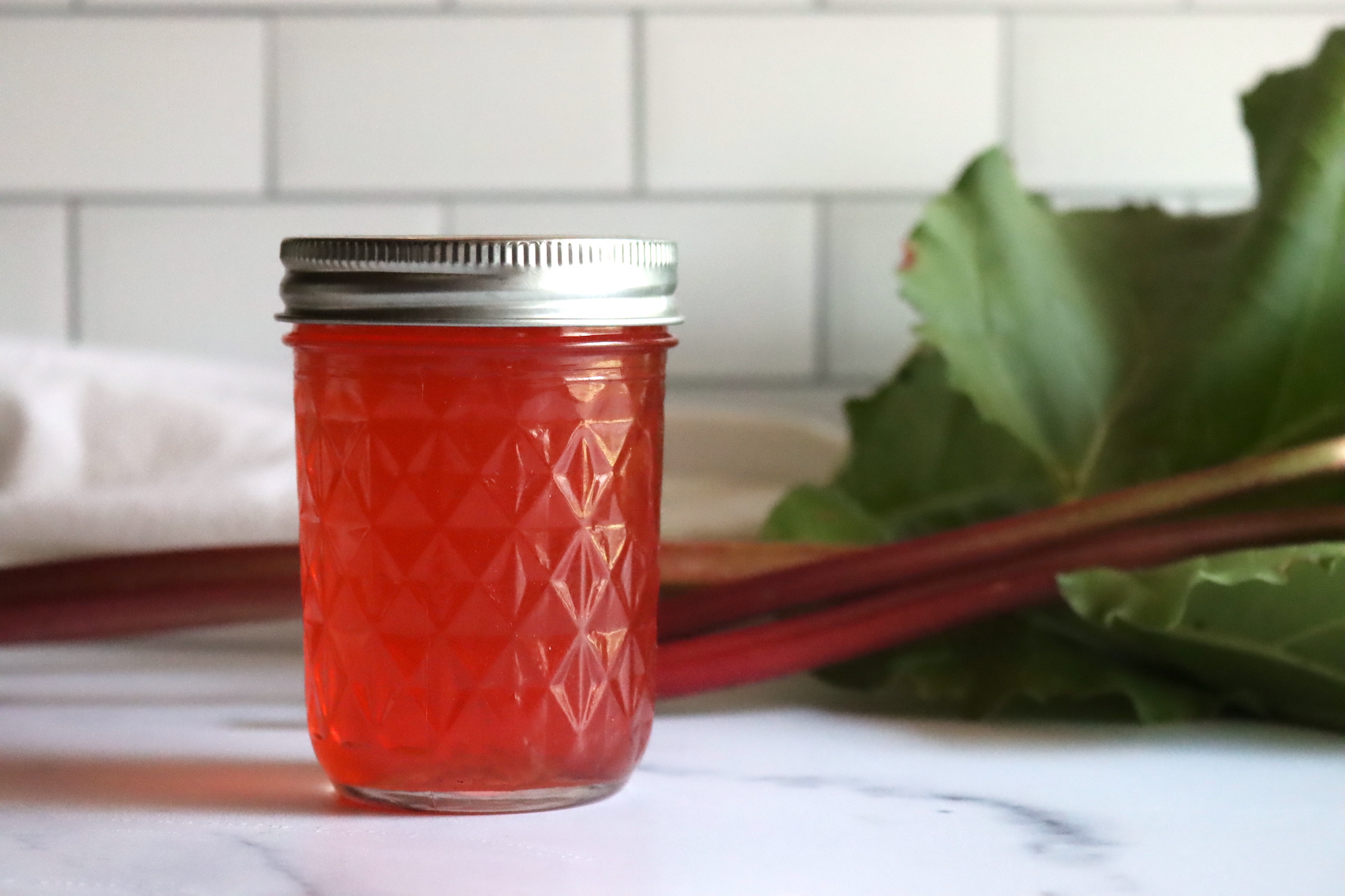
Unlike many store-bought fruit spreads, homemade rhubarb jelly allows you to control the ingredients while creating a clear, jewel-like jelly with a delicate fruity flavor. The natural tartness of rhubarb combines beautifully with sugar to create a smooth preserve that is delicious on toast, biscuits, pancakes, muffins, and desserts.
This easy homemade rhubarb jelly recipe is ideal for beginners and experienced home canners alike. The process involves extracting flavorful rhubarb juice, combining it with pectin and sugar, and carefully processing the finished jelly in a water bath canner. The result is a shelf-stable preserve with a lovely pink color and refreshing homemade taste.
Why This Fresh Rhubarb Jelly Recipe Is Worth Making
Rhubarb is a unique ingredient that brings a bright, slightly sour flavor to homemade preserves. While it is often paired with strawberries in pies and desserts, rhubarb also makes an excellent standalone jelly. When cooked properly, rhubarb produces a fragrant juice that creates a smooth, delicate jelly with a balanced sweetness.
One of the best things about homemade rhubarb jelly is its versatility. A single batch can provide several jars of delicious fruit spread that can be enjoyed months after rhubarb season ends. It also makes a thoughtful homemade gift for family and friends, especially when presented in decorative jars with handwritten labels.
This recipe produces approximately 4 to 5 half-pint jars, making it a practical option for preserving seasonal produce without requiring a large amount of storage space.
What Makes Rhubarb Jelly Different From Other Fruit Preserves?
Rhubarb has a naturally sharp flavor because it contains organic acids that give it its signature tang. Unlike sweeter fruits such as peaches or strawberries, rhubarb needs sugar to create a pleasant flavor balance. The combination of rhubarb juice, granulated sugar, and fruit pectin creates a jelly that is bright, refreshing, and perfectly set.
The finished jelly has a smooth texture because the recipe uses strained rhubarb juice rather than the cooked fruit pulp. This method creates a clear jelly with a beautiful appearance, making it different from thicker jams and fruit spreads.
The natural pink shades of rhubarb jelly can vary depending on the color of the rhubarb stalks used. Some batches may appear pale pink, while others may develop a deeper rosy color. Both versions are completely natural and equally delicious.
Ingredients Needed for Traditional Homemade Rhubarb Jelly
The beauty of this recipe is that it uses only a few basic ingredients. Each ingredient plays an important role in creating the right flavor, texture, and preservation quality.
Fresh Rhubarb
The star ingredient is fresh rhubarb. You will need:
4 pounds (1.8 kg) rhubarb, chopped (about 10–12 cups)
Choose firm, fresh stalks with good color and avoid stalks that appear soft or damaged. Rhubarb stalks provide the flavor and natural acidity needed for this jelly. Always remove and discard rhubarb leaves because they are not suitable for eating.
Water
The recipe uses:
6 cups water
Water helps extract the natural juices and flavor from the chopped rhubarb. The cooking process softens the stalks and creates a flavorful liquid that becomes the foundation of the jelly.
Powdered Fruit Pectin
You will need:
1 package (1.75 oz or 49–57 g) powdered fruit pectin (such as Sure-Jell)
Pectin is the ingredient responsible for helping the jelly achieve its classic firm yet spreadable texture. Since rhubarb naturally does not contain enough pectin to create a reliable set, added fruit pectin ensures consistent results.
Granulated Sugar
The recipe requires:
5½ cups granulated sugar
Sugar does more than add sweetness. It works together with pectin and fruit acids to help create the proper jelly texture while also contributing to preservation.
Optional Lemon Juice
You may add:
1 tablespoon lemon juice
Although optional, lemon juice can enhance the bright tart flavor of rhubarb and support the jelly-setting process by adding acidity.
Essential Equipment for Making Rhubarb Jelly
Before beginning, gather all necessary equipment to make the process smooth and efficient.
You will need:
Large stockpot for cooking rhubarb
Jelly bag or fine-mesh strainer
Cheesecloth (if using a strainer)
Large bowl or measuring container
Deep saucepan or jam pot
Canning jars
Lids and screw bands
Ladle
Water bath canner
Jar lifter or canning tongs
Having everything prepared before cooking helps prevent interruptions while handling hot jelly.
How to Extract Clear Rhubarb Juice for Jelly
The first important stage of making homemade rhubarb jelly is extracting the juice. This step determines the clarity and quality of the final product.
Begin by washing and chopping the rhubarb into smaller pieces. Add the chopped rhubarb and water to a large stockpot. Bring the mixture to a boil over medium-high heat.
Once boiling, reduce the heat and allow the rhubarb to gently simmer for approximately 15 to 20 minutes. During this time, the stalks will soften and break apart, releasing their natural flavor and color into the water.
After cooking, strain the mixture through a jelly bag or a fine-mesh strainer lined with cheesecloth. Allow the liquid to drip naturally into a large bowl or measuring container.
For the clearest jelly, avoid pressing or squeezing the cooked rhubarb. Although squeezing may produce more juice, it can also push fruit particles into the liquid, resulting in a cloudy jelly.
Allow the juice to drip for several hours or overnight until you collect approximately 5 cups of rhubarb juice. If you have slightly less than needed, add a small amount of water to reach the correct measurement.
Preparing Jars for Safe Canning
Proper jar preparation is an essential part of making shelf-stable homemade jelly.
Before filling the jars, sterilize your canning jars, lids, and rings. This can be done by placing the jars in boiling water or using a dishwasher sanitizing cycle.
Keep the jars warm until you are ready to add the hot jelly. Warm jars help prevent cracking when filled with the hot mixture.
Clean equipment and proper processing methods are important for maintaining the quality and safety of homemade preserves.
Cooking the Rhubarb Jelly Mixture
Once the rhubarb juice is prepared, the jelly-making process begins.
Pour the measured rhubarb juice into a large, deep saucepan or jam pot. Stir in the powdered fruit pectin and the optional lemon juice.
Bring the mixture to a full rolling boil over high heat while stirring constantly. A rolling boil means the bubbles continue even while stirring.
Once the mixture reaches this stage, add all of the sugar at once. Stir thoroughly until the sugar dissolves.
Return the mixture to a full rolling boil and continue boiling hard for one minute while stirring constantly.
After cooking, remove the pot from the heat. If foam appears on the surface, gently skim it away with a spoon. Removing foam helps create a smoother and clearer finished jelly.
Filling and Sealing the Jelly Jars
Carefully ladle the hot rhubarb jelly into prepared hot jars. Leave approximately ¼-inch headspace at the top of each jar.
Use a clean damp cloth to wipe the jar rims. Any leftover jelly around the rim can prevent proper sealing.
Place the lids on the jars and add the screw bands. Tighten the bands only until fingertip tight. Avoid over-tightening because air needs to escape during processing.
Water Bath Canning for Long-Term Storage
To make the jelly shelf-stable, process the filled jars in a boiling water bath canner.
Place the jars into the canner and process for 10 minutes, adjusting the processing time if you live at a higher altitude.
After processing, carefully remove the jars and place them on a towel-lined surface. Allow them to cool undisturbed for 12 to 24 hours.
As the jars cool, you may hear popping sounds as the lids seal. Check each jar by pressing the center of the lid. A properly sealed lid should not flex upward or downward.
Any jars that do not seal properly should be refrigerated and used first.
Tips for Making Perfect Homemade Rhubarb Jelly Every Time
Use fresh, firm rhubarb stalks for the best flavor.
Avoid squeezing the strained rhubarb pulp if you want crystal-clear jelly.
Measure the juice accurately before adding pectin and sugar.
Keep jars warm before filling to reduce the risk of cracking.
Stir constantly during the boiling stage to prevent sticking.
Follow proper water bath canning instructions for safe storage.
Creative Ways to Enjoy Rhubarb Jelly
This homemade rhubarb jelly is much more than a simple breakfast spread. Try using it in different ways:
Spread it over warm toast or English muffins.
Add it to homemade biscuits or scones.
Use it as a topping for cheesecake or vanilla ice cream.
Pair it with pancakes, waffles, or French toast.
Add a spoonful to yogurt for a fruity breakfast treat.
Use it as a filling for cookies and pastries.
Its sweet-tart flavor makes it a versatile addition to both everyday meals and special occasions.
Storage Instructions for Homemade Rhubarb Jelly
Properly sealed jars of rhubarb jelly can be stored in a cool, dark place for up to one year. A pantry, cupboard, or basement shelf away from direct sunlight is ideal.
Once opened, refrigerate the jelly and use it within a reasonable period while maintaining freshness.
Always check jars before use. If you notice unusual odors, mold, leaking jars, or damaged seals, discard the product.
Frequently Asked Questions About Rhubarb Jelly
Can frozen rhubarb be used for this recipe?
Yes, frozen rhubarb can be used if fresh rhubarb is unavailable. Allow it to thaw before cooking and use the same measurement.
Why is my rhubarb jelly not setting?
Jelly may fail to set if measurements are inaccurate, cooking time is incorrect, or the pectin is old. Following the recipe carefully helps achieve the best texture.
Can I reduce the sugar?
This recipe depends on the balance between sugar, pectin, and acidity. Reducing sugar may affect the texture and preservation quality unless using a pectin specifically designed for low-sugar recipes.
Why is my jelly cloudy?
Cloudiness usually occurs when the cooked fruit mixture is squeezed during straining or when small fruit particles remain in the juice.
This Classic Rhubarb Jelly Recipe
Making homemade rhubarb jelly is a rewarding way to preserve seasonal flavors and create a delicious pantry staple. With its beautiful color, refreshing tartness, and smooth texture, this traditional preserve brings a homemade touch to breakfasts, desserts, and gifts.
Whether you are an experienced canner or trying jelly-making for the first time, this easy rhubarb jelly recipe offers a simple method for creating a delicious fruit preserve that can be enjoyed all year long.
Source
Recipe method adapted from traditional home jelly-making and safe canning practices recommended by the National Center for Home Food Preservation.
Easy Homemade Rhubarb Jelly Recipe Card
Classic Rhubarb Jelly Recipe
This simple homemade rhubarb jelly captures the fresh, tangy flavor of rhubarb in a beautiful, sweet spread. Follow this easy canning recipe to create clear, delicious jelly that can be stored and enjoyed throughout the year.
Recipe Details
Preparation Time: About 20 minutes
Cooking Time: About 25 minutes
Juice Dripping Time: 3–4 hours (or overnight)
Water Bath Processing Time: 10 minutes
Total Time: About 3–4 hours, including dripping time
Yield: 4–5 half-pint (8 oz) jars
Ingredients
4 pounds (1.8 kg) rhubarb, chopped (about 10–12 cups)
6 cups water
1 package (1.75 oz or 49–57 g) powdered fruit pectin (such as Sure-Jell)
5½ cups granulated sugar
1 tablespoon lemon juice (optional, helps enhance tartness and supports setting)
Instructions
1. Prepare the Rhubarb Juice
Wash and chop fresh rhubarb into small pieces. Place the chopped rhubarb and water into a large stockpot.
Bring the mixture to a boil, then reduce the heat and simmer for 15–20 minutes until the rhubarb becomes soft and breaks down.
Strain the cooked rhubarb through a jelly bag or a fine-mesh strainer lined with cheesecloth. Allow the juice to drip naturally into a large bowl or measuring container for several hours or overnight.
Do not squeeze the pulp if you want a clear jelly. Collect about 5 cups of rhubarb juice. Add a little water if needed to reach the correct amount.
2. Prepare Canning Jars
Wash and sterilize jars, lids, and rings using boiling water or a dishwasher sanitizing cycle.
Keep jars warm until ready to fill.
3. Cook the Rhubarb Jelly
Pour the prepared rhubarb juice into a large, deep saucepan or jam pot.
Add powdered pectin and optional lemon juice. Stir well and bring the mixture to a full rolling boil over high heat, stirring constantly.
Add all the sugar at once and mix until completely dissolved.
Return the jelly mixture to a full rolling boil and boil hard for 1 minute while continuing to stir.
Remove from heat and skim away any foam from the surface using a spoon.
4. Fill the Jars
Carefully ladle the hot jelly into hot sterilized jars.
Leave ¼-inch headspace at the top of each jar.
Clean the jar rims, place lids on the jars, and tighten the bands until fingertip tight.
5. Process in a Water Bath Canner
Place filled jars into a boiling water bath canner.
Process for 10 minutes, adjusting processing time according to altitude if needed.
Remove jars carefully and allow them to cool undisturbed for 12–24 hours.
Check that the lids are sealed properly before storing.
Storage Tips
Store sealed jars in a cool, dark pantry or cupboard for up to 1 year.
Refrigerate after opening.
Always check jars for proper seals before use.
Store opened jelly in the refrigerator and use while fresh.
Recipe Notes
For the best color and flavor, choose fresh, firm rhubarb stalks.
Avoid pressing the cooked rhubarb while straining to maintain a clear jelly.
Accurate measurements are important for achieving the correct jelly consistency.
Lemon juice is optional but adds a brighter flavor to the finished preserve.
Serving Ideas
Enjoy homemade rhubarb jelly as:
A spread for toast, biscuits, and muffins
A topping for pancakes and waffles
A filling for cookies and pastries
A sweet addition to yogurt or desserts
A homemade gift for family and friends
Source
Adapted from traditional fruit jelly preparation and safe home canning guidelines from the National Center for Home Food Preservation.