Ultimate Citrus 7UP Pound Cake Recipe – Moist, Buttery, and Perfectly Sweet
Complete Guide to Making the Best Homemade 7UP Pound Cake
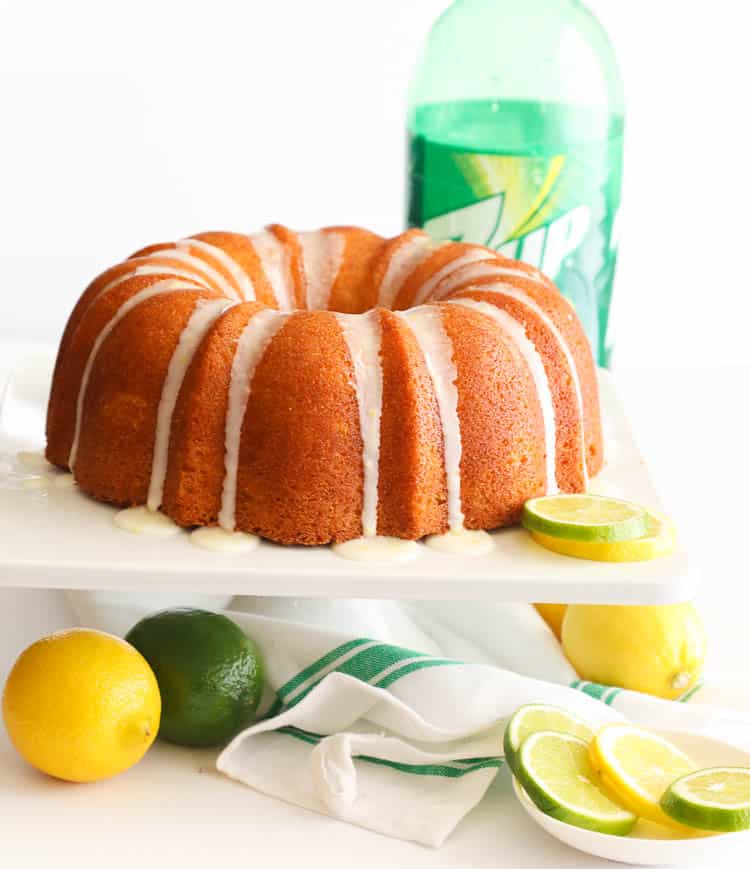
If you love rich butter cakes with a tender crumb and bright citrus flavor, this homemade 7UP Pound Cake is a dessert worth adding to your baking collection. Known for its velvety texture, golden crust, and refreshing lemon-lime notes, this classic Southern-inspired cake delivers bakery-quality results using simple pantry staples.
The secret ingredient is 7UP, which adds lightness and subtle citrus flavor while helping create an incredibly soft and moist cake. Combined with real butter, fresh lemon and lime zest, vanilla extract, and a sweet citrus glaze, every slice offers the perfect balance of richness and freshness.
Whether you’re preparing a dessert for a holiday gathering, family celebration, afternoon tea, potluck dinner, or weekend baking project, this traditional pound cake recipe is a dependable favorite that never goes out of style.
Why This 7UP Pound Cake Stands Out
Pound cakes have been beloved for generations because of their dense yet delicate texture. While many recipes rely solely on butter and eggs for structure, adding lemon-lime soda introduces a unique element that helps create a softer crumb without sacrificing the classic pound cake character.
The result is a cake that is:
Rich and buttery
Moist for days
Infused with fresh citrus flavor
Easy to prepare
Perfect for special occasions
Ideal for make-ahead desserts
Delicious with coffee, tea, or fresh fruit
The combination of fresh lemon and lime juice with aromatic zest gives the cake a bright flavor profile that complements its buttery richness.
Understanding the Key Ingredients
Unsalted Butter
Butter serves as the foundation of this cake. It provides richness, flavor, and the tender texture pound cakes are famous for. Using softened butter allows proper creaming, which incorporates air into the batter and contributes to a lighter finished cake.
Granulated Sugar
Sugar does more than sweeten the cake. During the creaming process, sugar crystals help create tiny air pockets in the butter, producing a fluffy batter and helping the cake rise evenly.
Eggs
Eggs contribute structure, moisture, and richness. Room-temperature eggs blend more easily into the batter, creating a smoother mixture and better overall texture.
All-Purpose Flour
All-purpose flour provides the framework that holds the cake together. Measuring accurately helps maintain the ideal balance between density and tenderness.
Baking Powder and Baking Soda
These leavening agents support the natural lift created during the creaming process. Together they help produce a cake that is substantial yet pleasantly soft.
Salt
A small amount of salt enhances sweetness and balances the rich buttery flavor.
7UP Soda
The signature ingredient in this recipe. The carbonation helps create a lighter texture while the lemon-lime flavor enhances the fresh citrus ingredients used throughout the cake.
Vanilla Extract
Vanilla adds warmth and depth, rounding out the bright citrus notes and creating a more complex flavor profile.
Lemon and Lime Zest
Fresh zest contains essential oils that deliver concentrated citrus aroma. It adds significantly more flavor than juice alone.
Lemon and Lime Juice
Fresh juice contributes brightness and slight acidity, helping balance the sweetness of the cake.
The Importance of Room-Temperature Ingredients
One of the most important steps in successful cake baking is bringing ingredients to room temperature before beginning.
Softened butter creams more efficiently with sugar, while room-temperature eggs blend smoothly into the batter. Cold ingredients can cause uneven mixing and may negatively affect texture.
For best results:
Remove butter 1 to 2 hours before baking.
Let eggs sit at room temperature for approximately 30 minutes.
Bring citrus fruits to room temperature for easier juicing.
How the Creaming Method Creates a Better Cake
The creaming process is essential for achieving the ideal pound cake texture.
When butter and sugar are beaten together for several minutes, tiny pockets of air become trapped throughout the mixture. These air pockets expand during baking and contribute to a lighter crumb.
Properly creamed butter and sugar should appear:
Pale in color
Noticeably fluffy
Smooth and creamy
Increased in volume
Taking time during this stage significantly improves the final result.
Adding Eggs Correctly
Instead of adding all eggs at once, incorporate them gradually.
Adding eggs one at a time allows the batter to remain stable and emulsified. Each egg should be fully mixed before adding the next.
This approach creates:
Better texture
More even baking
Improved structure
A smoother batter
Achieving the Perfect Batter Consistency
Once the flour mixture is added, gentle mixing becomes important.
Overmixing can develop excess gluten, producing a tougher cake. Instead, stir only until the ingredients are incorporated and no dry flour remains visible.
The finished batter should be:
Thick
Smooth
Well combined
Free of large lumps
Why Fresh Citrus Makes a Difference
Freshly grated zest and squeezed juice provide flavor that bottled alternatives cannot match.
The fragrant oils found in citrus peels bring brightness and complexity to the cake. When zesting, remove only the colored outer layer and avoid the bitter white pith underneath.
Fresh citrus contributes:
Natural flavor
Enhanced aroma
Better balance
A fresher overall taste
Choosing the Right Baking Pan
A tube pan is often considered the best choice for this recipe because its center opening allows heat to circulate evenly throughout the batter.
Alternative options include:
Bundt pans
Loaf pans
Round cake pans
When using alternative pans, baking times may vary, so begin checking for doneness earlier.
Baking Tips for Success
Several simple techniques can help ensure a perfect cake every time:
Grease Thoroughly
A well-greased pan prevents sticking and allows easy release after baking.
Eliminate Air Pockets
Gently tap the filled pan on the counter before baking to release large air bubbles.
Avoid Opening the Oven Too Early
Frequent oven-door opening can cause temperature fluctuations that affect rise and texture.
Check for Doneness Properly
Insert a toothpick, skewer, or thin knife into the center of the cake.
The cake is ready when:
The tester comes out clean.
Only a few dry crumbs remain attached.
No wet batter is visible.
Creating a Smooth Citrus Glaze
The glaze adds an attractive finish and extra burst of flavor.
A simple mixture of confectioners’ sugar, citrus juice, zest, and a small amount of 7UP creates a sweet drizzle that complements the buttery cake beautifully.
The consistency should be:
Thick enough to coat a spoon
Thin enough to drizzle easily
Smooth and lump-free
If necessary, adjust with additional powdered sugar or a small amount of soda.
Serving Suggestions
This versatile dessert can be served in many ways.
Popular serving options include:
Fresh strawberries
Mixed berries
Whipped cream
Vanilla ice cream
Lemon curd
Fresh citrus slices
Hot coffee
Afternoon tea
For elegant presentations, dust lightly with powdered sugar before serving.
Storage and Make-Ahead Instructions
One reason pound cakes remain so popular is their excellent shelf life.
At Room Temperature
Store in an airtight container for up to 4 days.
Refrigeration
Store for up to 1 week in a sealed container.
Freezing
Wrap individual slices or the entire cake tightly and freeze for up to 3 months.
Thaw overnight in the refrigerator before serving.
Expert Tips for the Best Results
Use room-temperature ingredients.
Cream butter and sugar thoroughly.
Add eggs gradually.
Measure flour accurately.
Avoid overmixing after adding flour.
Use freshly grated citrus zest.
Bake until fully set.
Cool before glazing.
Store properly to maintain moisture.
Frequently Asked Questions
Can I use a different lemon-lime soda?
Yes. Similar lemon-lime carbonated beverages can be substituted, although flavor may vary slightly.
Can I make the cake ahead of time?
Absolutely. Many bakers find the flavor improves after resting for a day.
Can I use loaf pans instead of a tube pan?
Yes. Divide the batter evenly and adjust baking time accordingly.
Why is my pound cake dense?
Common causes include under-creamed butter and sugar, overmixing after flour is added, or inaccurate ingredient measurements.
Can I skip the glaze?
Certainly. The cake is delicious on its own, but the glaze adds extra sweetness and citrus flavor.
Final Thoughts
This Citrus 7UP Pound Cake combines classic pound cake richness with refreshing lemon-lime flavor for a dessert that feels both traditional and unique. The buttery crumb, fragrant citrus notes, and sweet glaze make it an excellent choice for holidays, celebrations, family gatherings, and everyday baking.
With simple ingredients and reliable results, this recipe is a timeless favorite that delivers a moist, flavorful cake every time.
Easy Citrus 7UP Pound Cake Recipe
Recipe Information
Preparation Time: 15 minutes
Baking Time: 1 hour 30 minutes
Total Time: 1 hour 45 minutes
Yield: 1 large pound cake
Ingredients
For the Cake
1½ cups (340 g) unsalted butter, softened
2½ cups (300 g) granulated sugar
5 large eggs, room temperature
3 cups (360 g) all-purpose flour
½ teaspoon baking soda
1 teaspoon baking powder
½ teaspoon salt
1 cup (237 ml) 7UP soda
1 tablespoon vanilla extract
Zest and juice of 1 lime
Zest and juice of 1 lemon
For the Citrus Glaze
1½–2 cups (187–250 g) confectioners’ sugar
1 tablespoon lemon or lime juice
½ teaspoon finely grated lemon or lime zest
1–2 tablespoons 7UP soda
Method
Step 1: Prepare the Oven
Preheat the oven to 300°F (150°C). Generously grease a tube pan or Bundt pan.
Step 2: Cream Butter and Sugar
In a large mixing bowl, beat the softened butter and sugar until pale, fluffy, and creamy, about 5–7 minutes.
Step 3: Add Eggs
Add the eggs one at a time, mixing well after each addition.
Step 4: Add Dry Ingredients
Add the flour, baking soda, baking powder, and salt. Mix gently until combined.
Step 5: Add Flavorings
Pour in the 7UP soda, vanilla extract, lemon zest, lemon juice, lime zest, and lime juice. Mix until incorporated. Do not overmix.
Step 6: Fill the Pan
Transfer the batter to the prepared pan and tap lightly on the countertop to release trapped air bubbles.
Step 7: Bake
Bake for approximately 70–90 minutes, or until a toothpick inserted into the center comes out clean.
Step 8: Cool
Allow the cake to cool in the pan briefly before transferring to a wire rack to cool completely.
Make the Glaze
Combine confectioners’ sugar, citrus juice, zest, and 7UP in a small bowl.
Whisk until smooth.
Adjust consistency as needed.
Drizzle over the cooled cake.
Serving Suggestions
Serve with:
Fresh strawberries
Mixed berries
Whipped cream
Vanilla ice cream
Hot coffee or tea
Helpful Baking Notes
Use room-temperature ingredients for best results.
Cream butter and sugar thoroughly.
Avoid overmixing once flour is added.
Use only the colored part of the citrus peel when zesting.
Check doneness with a toothpick or skewer.
If using loaf pans, begin checking for doneness after about 60 minutes.Approximate Nutrition Information (Per Serving)
Calories: 1151 kcal
Carbohydrates: 189 g
Protein: 13 g
Fat: 40 g
Saturated Fat: 24 g
Cholesterol: 198 mg
Sodium: 278 mg
Potassium: 238 mg
Fiber: 3 g
Sugar: 118 g
Vitamin A: 1264 IU
Vitamin C: 10 mg
Calcium: 74 mg
Iron: 5 mg