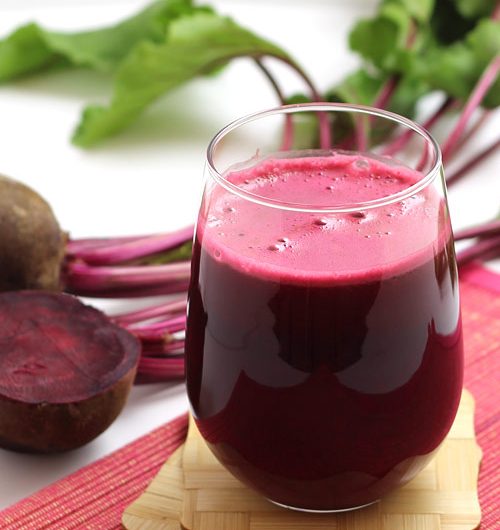
Fresh beetroot juice is a colorful homemade drink made with beetroot, apple, celery, carrots, ginger, and fresh lemon or lime juice. Its naturally earthy beet flavor is balanced by the sweetness of apple and carrots, while celery adds a fresh vegetable note. Ginger gives the juice gentle warmth, and citrus adds a bright, tangy finish. The result is a refreshing beet juice recipe that can be prepared in around ten minutes with a juicer.
This easy beetroot juice recipe is a convenient way to combine several fruits and vegetables in one freshly prepared drink. Beetroot is naturally rich in dietary nitrates, while the other ingredients contribute their own nutrients and plant compounds. Rather than relying on pure beet juice, this recipe combines beetroot with sweeter and milder ingredients, producing a more balanced flavor that may be easier for many people to enjoy.
Why Make Fresh Beetroot Juice at Home?
Making beetroot juice at home gives you control over every ingredient that goes into the glass. There is no need for added sugar, artificial flavoring, or complicated preparation. The natural sweetness comes primarily from apple and carrots, while fresh lemon or lime provides acidity. Because the ingredients are processed immediately before serving, the finished drink has a noticeably fresh taste and vibrant color.
Homemade beet juice is also easy to adjust through ingredient selection without changing the basic recipe. A sweeter apple will naturally produce a sweeter juice, while a more tart variety creates a sharper flavor. The beetroot contributes its recognizable earthy character, celery keeps the drink fresh, and ginger adds just enough spice to make the combination more interesting without overwhelming the fruit and vegetables.
Beetroot Juice and a Balanced Diet
Beetroot has attracted considerable interest because it naturally contains nitrate. The body can convert dietary nitrate into nitric oxide, a compound involved in blood-vessel function. Research has found that beetroot juice can reduce blood pressure in some people, although effects vary and it should not be treated as a substitute for prescribed medication or professional medical care.
This fresh beetroot juice also includes apple, carrots, celery, ginger, and citrus, making it a convenient fruit-and-vegetable drink. However, juicing removes much of the fiber that would be consumed when eating the ingredients whole. For that reason, fresh juice is best viewed as one part of a varied diet rather than a replacement for whole fruits, vegetables, or balanced meals.
Understanding the Ingredients
Each ingredient has a distinct purpose in this beetroot juice recipe. The beetroot provides the deep red color and earthy base flavor. Apple introduces natural sweetness, carrots soften the stronger beet flavor, and celery adds freshness. Ginger provides a lightly spicy finish, while lemon or lime juice adds acidity that makes the overall drink taste brighter and more refreshing.
The ingredient list is intentionally simple, so there is little preparation beyond washing, trimming, peeling where required, and cutting everything into pieces suitable for the juicer. Using good-quality fresh produce is particularly important in recipes like this because there are no additional sweeteners or flavorings to disguise ingredients that are old, dry, or lacking flavor.
Choosing Beetroot for Juicing
This recipe calls for one small red beetroot. When shopping, look for a beet that feels firm and solid rather than soft or shriveled. Smaller beetroots can have a pleasant flavor and are also convenient for a two-serving juice recipe. The deep pigment in red beetroot gives the finished drink its striking ruby-red appearance.
Before juicing, wash the beetroot thoroughly under running water. The recipe calls for peeling it and cutting it into long slices that can move easily through the juicer chute. Beetroot pigment can stain hands, cutting boards, and some work surfaces, so cleaning the preparation area soon after handling the vegetable can make kitchen cleanup easier.
Why Apple Works Well with Beetroot
One large apple, or two small apples, provides natural sweetness that balances beetroot’s earthy taste. This pairing is particularly useful for anyone who finds straight beetroot juice too intense. A naturally sweet apple creates a smoother flavor, but the recipe does not require a specific variety, so you can use the type of apple you already enjoy.
Wash the apple thoroughly before preparation. Cut it into long pieces that fit your juicer and remove the core. There is no need to introduce additional sugar because the apple and carrots already provide natural sweetness. Keeping the ingredient combination simple allows the flavor of the fresh produce to remain the main feature of the juice.
Carrots Add Natural Sweetness
The recipe includes one to two carrots, which complement both beetroot and apple. Carrots have a mild sweetness that can make vegetable-based juices more approachable without requiring refined sugar or another sweetener. Their flavor is less dominant than beetroot, so they help round out the juice while allowing its main character to remain recognizable.
Wash the carrots carefully, peel them as directed, and cut them into long pieces that are appropriate for your juicer. The original recipe allows one or two carrots, giving some flexibility within the ingredient list. Using two will generally contribute more carrot flavor and juice, while one keeps the beetroot and apple relatively prominent.
Freshness from Celery
Two celery stalks introduce a crisp, fresh vegetable flavor. Celery is less sweet than apple and carrots, which prevents the drink from becoming excessively fruity. Its lighter flavor works particularly well alongside the stronger beetroot and spicy ginger, helping create a juice that tastes balanced rather than dominated by a single ingredient.
Rinse celery stalks carefully because soil and debris can remain around their surfaces and grooves. Cut them into long pieces suitable for the juicer. Celery naturally contains plenty of water, so it also contributes liquid to the finished juice and can help move softer ingredients through some types of juicers.
Ginger Adds a Spicy Finish
A small 1/2-inch piece of peeled ginger may look like a minor ingredient, but it contributes noticeable flavor. Fresh ginger has a warm, sharp character that pairs naturally with earthy beetroot and sweet apple. Because the quantity is small, it should provide background warmth rather than turning the juice into an intensely spicy drink.
Peel the ginger before putting it through the juicer, as specified in the recipe. There is no need to add more than the stated amount. Fresh ginger can be powerful, and the small piece included here is enough to complement the remaining ingredients while maintaining the refreshing character of the beetroot, apple, carrot, and celery combination.
Lemon or Lime for a Fresh Citrus Finish
Half a lemon or lime is added differently from the other ingredients. Rather than processing it through the juicer with the beetroot and vegetables, the citrus is squeezed into the prepared juice afterward. This gives the drink a clean, fresh acidity and balances the natural sweetness supplied by the apple and carrots.
Both lemon and lime work, so the choice can depend on availability or personal preference. Lemon provides a familiar bright citrus flavor, while lime can taste slightly sharper and more aromatic. Whichever one you use, squeeze it into the juice after the other ingredients have been processed and stir thoroughly before serving.
Preparing Fruits and Vegetables for Juicing
Proper preparation begins with washing all the fruits and vegetables under clean running water. After washing, pat them dry. This is particularly important because beetroot, carrots, and celery may carry soil or debris from growing and handling. Even ingredients that will be peeled should be washed before cutting so contaminants from their surfaces are not transferred by the knife.
Peel the beetroot and cut it lengthwise into pieces suitable for the juicer. Core and slice the apple, then peel and cut the carrots. Cut the celery into long sections and peel the small piece of ginger. Preparing everything before switching on the juicer keeps the process organized and allows the ingredients to be fed through without unnecessary interruptions.
How to Make Beetroot Juice with a Juicer
Once all the produce has been prepared, position a clean glass or collection container underneath the juicer nozzle. Switch the machine on according to its operating instructions. Feed the beetroot, apple, carrot, celery, and ginger through the juicer, alternating the ingredients rather than processing every piece of one ingredient before moving to the next.
Alternating ingredients helps combine the different flavors as the juice is extracted. It can also be useful when moving between softer and firmer produce, depending on the type of juicer being used. Do not process the lemon or lime with these ingredients because the recipe specifically calls for squeezing the citrus juice into the finished mixture afterward.
Finishing the Fresh Beet Juice
After the beetroot, apple, carrots, celery, and ginger have been completely juiced, squeeze half a lemon or lime directly into the collected liquid. Stir everything thoroughly so the citrus juice is evenly distributed. At this stage, the juice should have a vivid red color and a combination of earthy, naturally sweet, fresh, spicy, and citrus flavors.
Pour the prepared beetroot juice into chilled serving glasses and serve immediately. Fresh juice is generally at its best soon after preparation because its flavor and aroma are most vibrant at that point. Preparing only the quantity needed for two servings also means there is little reason to store the juice for an extended period.
What Does Beetroot Juice Taste Like?
The dominant characteristic of fresh beetroot is earthy, but this recipe softens that flavor with several complementary ingredients. Apple and carrots contribute natural sweetness, celery adds a crisp vegetable note, and lemon or lime provides enough acidity to brighten the entire drink. The small piece of ginger finishes the juice with a mild warming sensation.
The resulting flavor is sweet and refreshing without requiring added sugar. People who find plain beetroot juice too strong may prefer this combination because beetroot is only one part of the overall drink. Using a naturally sweet apple can further soften the earthy flavor without changing the original ingredient list or introducing an additional sweetener.
When to Serve Beetroot Juice
This homemade beetroot juice can be served at breakfast as an alternative to more familiar apple or orange juice. Its combination of fruit and vegetables gives breakfast a different flavor profile, particularly for people who enjoy freshly extracted juices. It can also be enjoyed at another time of day when you want a cold, refreshing homemade drink.
Juice does not need to replace breakfast itself. Because juicing removes much of the fiber contained in whole produce and this recipe is relatively light in protein and fat, it is better considered a drink alongside a balanced meal rather than a complete breakfast on its own. Whole foods remain important even when fresh vegetable and fruit juices are included regularly.
Notes for Making Better Beetroot Juice
Choose Fresh, Firm Beetroot
Select a small, firm red beetroot without obvious soft or badly damaged areas. Fresh beetroot generally provides better flavor and texture for juicing. Because beetroot has a strong earthy character, using good-quality produce makes a noticeable difference when it forms the base of a simple juice recipe containing no added flavors or sweeteners.
The apple should also be fresh and firm, while celery should feel crisp rather than limp. Carrots should be firm and ginger should smell fresh and aromatic. A recipe containing only a handful of ingredients depends heavily on their quality, so fresh produce helps create a cleaner and more enjoyable finished juice.
Use the Apple You Prefer
A sweet apple naturally balances the beetroot, but there is no need to buy a specific variety. The original recipe allows any apple you prefer. If you choose a sweeter apple, the resulting juice will naturally taste sweeter, while a tart apple will create a brighter and slightly sharper drink.
This flexibility is helpful because apple varieties vary considerably by season and location. Whichever variety you choose, keep the original quantity at one large apple or two small apples. Core the fruit before juicing and cut it into pieces that comfortably fit the feeding chute of your particular machine.
Avoid Making the Juice Stronger Than the Recipe
Pure beetroot juice has a powerful earthy taste, which is one reason this recipe combines beetroot with apple, carrots, celery, ginger, and citrus. Following the given proportions produces a more balanced drink while still allowing the beet flavor and characteristic red color to remain noticeable.
There is no need to increase the amount of beetroot in an attempt to make the juice “healthier.” More is not automatically better, particularly with foods containing concentrated dietary nitrate. The original ingredient proportions already create a practical two-serving juice with a balanced mixture of fruit and vegetables.
Peeling Organic Produce
The original recipe notes that organic fruits and vegetables may be used without peeling. Even when leaving edible skins intact, however, wash the produce thoroughly under running water before cutting or juicing. Whether peeling is appropriate can also depend on the ingredient, its condition, and personal preference.
For the standard preparation described in this recipe, peel the beetroot and carrots and peel the small ginger piece as instructed. The apple should be cored, while the celery simply needs to be cleaned and cut. Careful preparation keeps the process straightforward and helps protect the fresh flavor of the finished drink.
Beetroot Juice and Blood Pressure
Beetroot juice is often discussed in connection with blood pressure because beetroot is naturally high in nitrate. Research suggests that nitrate-rich beetroot juice can produce modest reductions in blood pressure in some people. This is one reason beetroot has become popular in vegetable juices and nutrition research focused on cardiovascular health.
However, beetroot juice should not be described as a treatment that prevents cardiovascular disease or as a replacement for blood-pressure medication. Anyone with diagnosed high blood pressure should continue following their clinician’s treatment plan. People taking blood-pressure medicines may also want professional advice before consuming concentrated beetroot juice frequently, particularly if their blood pressure already runs low.
Why Fresh Beetroot Juice Is Worth Trying
This easy beetroot juice recipe brings together six straightforward ingredients in a drink that takes only about ten minutes to prepare. There is no cooking, added sugar, or complicated technique. Once the fruits and vegetables have been washed and cut, a juicer does most of the work, followed by a quick squeeze of fresh lemon or lime.
The combination is also more approachable than drinking beetroot juice alone. Sweet apple and carrots balance the beet’s earthiness, celery contributes freshness, ginger provides warmth, and citrus finishes the drink with acidity. Served immediately in a chilled glass, it makes a colorful and refreshing homemade juice that can fit naturally alongside a varied, balanced diet.
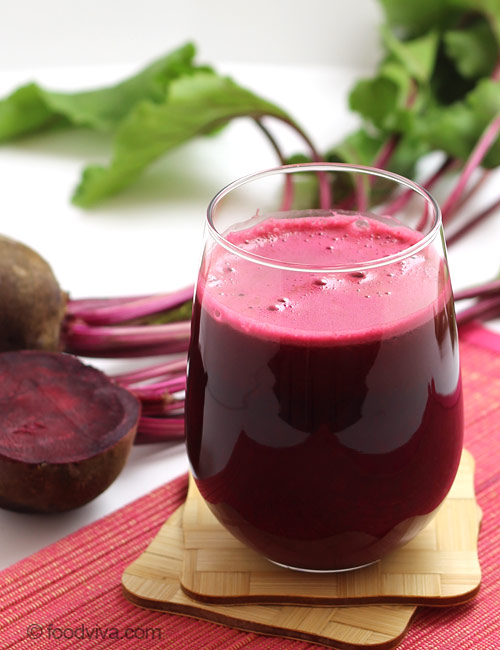
Beetroot Juice Recipe
A fresh and refreshing beetroot juice made with red beetroot, apple, celery, carrots, ginger, and lemon or lime.
2
servings10
minutes0
minutes130
kcal10
minutesIngredients
1 small red beetroot
1 large apple (or 2 small apples)
2 celery stalks
1–2 carrots
1/2 lemon or lime
1/2-inch small piece of ginger, peeled
Directions
- Wash the beetroot, apple, celery, carrots, lemon or lime, and ginger thoroughly under running water. Pat dry.
- Peel the beetroot and cut it into long pieces that fit comfortably into your juicer.
- Cut the apple into long pieces and remove the core.
- Peel the carrots and cut them into long pieces suitable for the juicer.
- Cut the celery stalks into long pieces. Peel the 1/2-inch piece of ginger.
- Place a clean glass or juice container underneath the juicer nozzle and switch on the machine.
- Alternately feed the beetroot, apple, carrots, celery, and ginger through the juicer until everything has been processed.
- Squeeze the 1/2 lemon or lime directly into the prepared juice.
- Stir the juice thoroughly so all the flavors are evenly combined.
- Pour into chilled serving glasses and drink immediately for the freshest flavor.
Nutrition Facts
2 servings per container
- Amount Per ServingCalories130
- % Daily Value *
- Total Fat
0.9g
0%
- Total Carbohydrate
25g
10%
- Protein 3g 6%
* The % Daily Value tells you how much a nutrient in a serving of food contributes to a daily diet. 2,000 calories a day is used for general nutrition advice.