Authentic Irish Brown Bread Recipe – A Traditional Homemade Loaf with Rustic Flavour
Few breads are as comforting and timeless as a freshly baked loaf of Traditional Irish Brown Bread. With its wholesome texture, rich nutty flavour, and beautifully crisp crust, this classic loaf has been a treasured part of Irish kitchens for generations. Unlike yeast breads that require kneading and long rising times, this easy quick bread comes together in just a few simple steps, making it perfect for both beginner and experienced home bakers.
Made with stone-ground wholemeal flour, a little plain flour, baking soda, and tangy buttermilk, this recipe creates a loaf that is hearty, moist, and satisfying. Every slice delivers the earthy flavour of whole grains while remaining soft enough to enjoy with butter, jam, honey, soups, or savoury toppings.
Whether you’re looking for an easy Irish brown bread recipe, a rustic loaf to accompany homemade soup, or a traditional family favourite to bake on the weekend, this recipe delivers authentic flavour without complicated techniques.
Why This Traditional Irish Bread Has Remained Popular
Irish Brown Bread has been baked in homes throughout Ireland for centuries. Long before commercial yeast became widely available, home bakers relied on baking soda combined with naturally acidic buttermilk to help bread rise. This simple chemical reaction produces a wonderfully tender crumb without waiting for dough to proof.
The beauty of this bread lies in its simplicity. Every ingredient serves an important purpose, resulting in a loaf that feels wholesome, rustic, and deeply comforting. Unlike heavily processed breads, homemade Irish brown bread celebrates natural ingredients and straightforward baking methods.
Because it requires no yeast, no mixer, and very little hands-on preparation, it has become one of the easiest traditional breads to make from scratch.
Reasons You’ll Love This Homemade Irish Brown Bread
There are countless reasons why this loaf continues to be loved by home bakers around the world.
One of the biggest advantages is how quickly it comes together. Since there is no yeast involved, there is no waiting for the dough to rise. Simply mix the ingredients, shape the loaf, and bake.
Another reason is its wonderfully hearty texture. The wholemeal flour provides a pleasant bite while the plain flour keeps the crumb from becoming too dense. The result is a loaf that is substantial yet pleasantly soft.
This recipe is also incredibly versatile. It pairs equally well with sweet spreads and savoury dishes, making it suitable for breakfast, lunch, afternoon tea, or dinner.
Many people also appreciate that the ingredients are pantry staples found in most kitchens, making it easy to prepare whenever the craving strikes.
What Makes Irish Brown Bread Different?
Although it is sometimes confused with soda bread, Irish Brown Bread has its own unique character.
Traditional white soda bread uses mostly white flour, while Irish Brown Bread relies primarily on coarse wholemeal flour. This creates a richer colour, heartier texture, and deeper flavour.
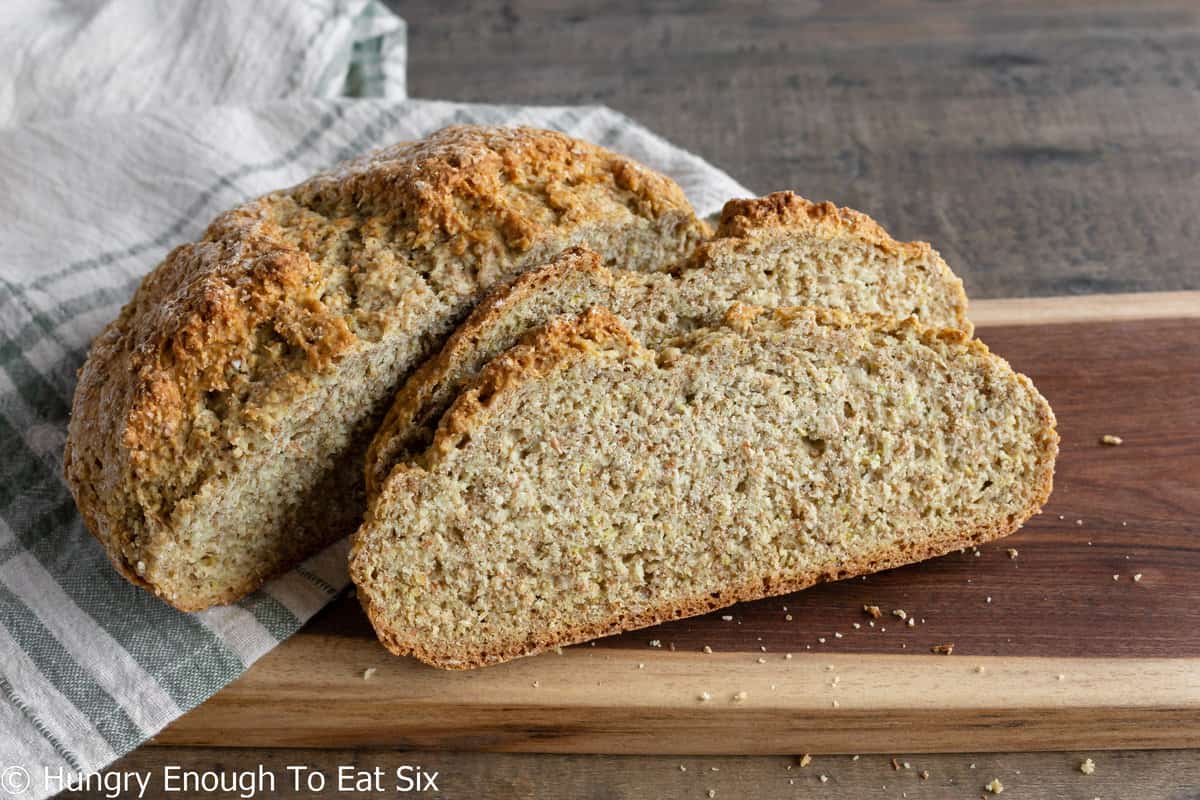
The coarse flour gives every slice a slightly rustic appearance while adding fibre and a satisfying chew. Instead of becoming overly fluffy, the bread remains pleasantly dense in the best possible way.
Because baking soda acts as the leavening agent, the loaf develops a tender crumb without requiring yeast fermentation.
This combination of simple ingredients creates a bread that is wonderfully rustic yet incredibly comforting.
Understanding the Ingredients
Every ingredient contributes to the finished loaf, so using quality ingredients helps achieve the best results.
Coarse Wholemeal Flour
Stone-ground wholemeal flour forms the heart of this recipe. It gives the bread its distinctive colour, nutty flavour, and wholesome texture.
Using coarse wholemeal flour instead of finely milled flour creates the authentic rustic crumb that Irish brown bread is known for.
If Irish-style wholemeal flour is unavailable, stone-ground whole wheat flour is an excellent alternative.
Plain Flour
Adding plain flour helps lighten the loaf while still allowing the wholemeal flour to remain the star ingredient.
This small addition improves the texture and prevents the bread from becoming too heavy.
Baking Soda
Baking soda is the traditional raising agent used in Irish quick breads.
When combined with acidic buttermilk, it produces tiny bubbles of carbon dioxide that help the bread rise naturally during baking.
Fresh baking soda is essential for achieving a good rise.
Salt
Salt enhances every flavour in the bread while balancing the natural sweetness of the grains.
It also helps strengthen the overall flavour profile.
Brown Sugar (Optional)
A small amount of brown sugar contributes a subtle hint of sweetness without making the loaf taste sugary.
It also encourages gentle caramelisation, producing an attractive golden-brown crust.
Buttermilk
Buttermilk is one of the most important ingredients in authentic Irish Brown Bread.
Its natural acidity reacts with baking soda, allowing the loaf to rise properly.
It also creates a moist crumb while adding a slight tang that complements the wholemeal flour beautifully.
Melted Butter (Optional)
A little melted butter introduces extra richness and helps keep the crumb tender.
Although traditional recipes often omit butter, many modern bakers enjoy the softer texture it provides.
Egg (Optional)
An egg can be added for an even softer crumb and slightly richer flavour.
It also contributes a little extra structure to the finished loaf.
Optional Ingredient Variations
While the classic recipe is wonderfully simple, a few authentic additions can introduce subtle flavour without changing the traditional nature of the bread.
Some bakers enjoy adding a tablespoon of rolled oats to the top before baking for extra texture.
A small handful of wheat bran can create an even heartier crumb.
Sunflower seeds, pumpkin seeds, or oat flakes may also be sprinkled over the loaf for additional crunch while still maintaining its rustic character.
These additions remain optional and should complement rather than overpower the traditional recipe.
Step-by-Step Baking Overview
Making homemade Irish Brown Bread is refreshingly simple.
Begin by heating the oven so it reaches the correct temperature before mixing the ingredients.
Combine all of the dry ingredients thoroughly so the baking soda is evenly distributed throughout the flour.
Create a well in the centre before adding the buttermilk and any optional wet ingredients.
Mix only until everything comes together. Overmixing develops gluten, which can make the bread tougher than desired.
The dough should remain soft, slightly sticky, and easy to handle.
Transfer the mixture into a prepared loaf tin or gently shape it into a rustic round loaf.
Scoring a deep cross across the top is a traditional finishing touch that allows heat to penetrate evenly while encouraging the loaf to expand beautifully during baking.
Bake until the crust becomes richly browned and the loaf sounds hollow when tapped underneath.
Allow the bread to cool before slicing to help the crumb finish setting properly.
Here is the second half of Part 1, continuing the same original, SEO-friendly article.
Tips for Baking the Best Irish Brown Bread
Although this is one of the easiest breads to make, a few simple techniques can make a noticeable difference to the final loaf.
Measure Ingredients Carefully
For consistent results, measure flour accurately using a kitchen scale whenever possible. Too much flour can make the bread dry and heavy, while too little may produce a sticky dough that is difficult to shape.
Mix Gently
Irish Brown Bread is a quick bread, so it does not benefit from extended mixing. Stir the ingredients only until the flour is fully incorporated. A few small streaks or lumps are perfectly normal and will disappear during baking.
Keep the Dough Soft
The dough should feel soft and slightly sticky rather than stiff. Wholemeal flour absorbs moisture differently depending on the brand and milling process, so you may occasionally need a splash more buttermilk to achieve the right consistency.
Bake Immediately
Once the baking soda and buttermilk are combined, they begin reacting straight away. To get the best rise, place the loaf into the preheated oven as soon as it has been shaped.
Check for Doneness
A properly baked loaf should have a rich golden-brown crust and sound hollow when tapped on the base. If using a food thermometer, the centre should register approximately 95–98°C (203–208°F).
Common Mistakes to Avoid
Even a straightforward recipe can be affected by a few common baking errors. Avoiding these will help produce a loaf with excellent texture and flavour every time.
Overmixing the Dough
Working the dough too much develops gluten, resulting in a firmer texture. Gentle mixing keeps the crumb tender.
Using Expired Baking Soda
Fresh baking soda is essential because it provides the lift that replaces yeast in this recipe. If it has been stored for a long time, the bread may not rise properly.
Adding Too Much Flour
It can be tempting to add extra flour if the dough seems sticky, but this often produces a dry loaf. A slightly sticky dough is exactly what you want.
Cutting the Bread Too Soon
Fresh bread continues to set as it cools. Allowing it to rest for at least 30 minutes makes slicing easier and improves the texture.
Delicious Ways to Enjoy Irish Brown Bread
One of the reasons this bread remains so popular is its versatility. It complements both sweet and savoury meals throughout the day.
Serve warm slices with butter for a simple breakfast, or add honey, fruit preserves, or marmalade for extra sweetness. Toasted slices also make an excellent base for nut butter or cream cheese.
For lunch, enjoy it alongside vegetable soup, tomato soup, seafood chowder, or a hearty stew. The dense crumb is ideal for soaking up rich broths and sauces.
In the evening, pair slices with mature cheddar, smoked salmon, sliced ham, or fresh salads for a satisfying meal. It also works beautifully as part of a traditional cheese board.
Leftover slices toast exceptionally well, making them perfect for quick breakfasts or light snacks.
Perfect Pairings
This rustic loaf complements a wide variety of foods and beverages.
Some excellent serving ideas include:
Butter and honey
Strawberry, raspberry, or blackberry jam
Orange marmalade
Irish cheddar cheese
Smoked salmon with cream cheese
Homemade vegetable soup
Beef or lamb stew
Seafood chowder
Scrambled eggs
Poached eggs
Avocado slices
Herb butter
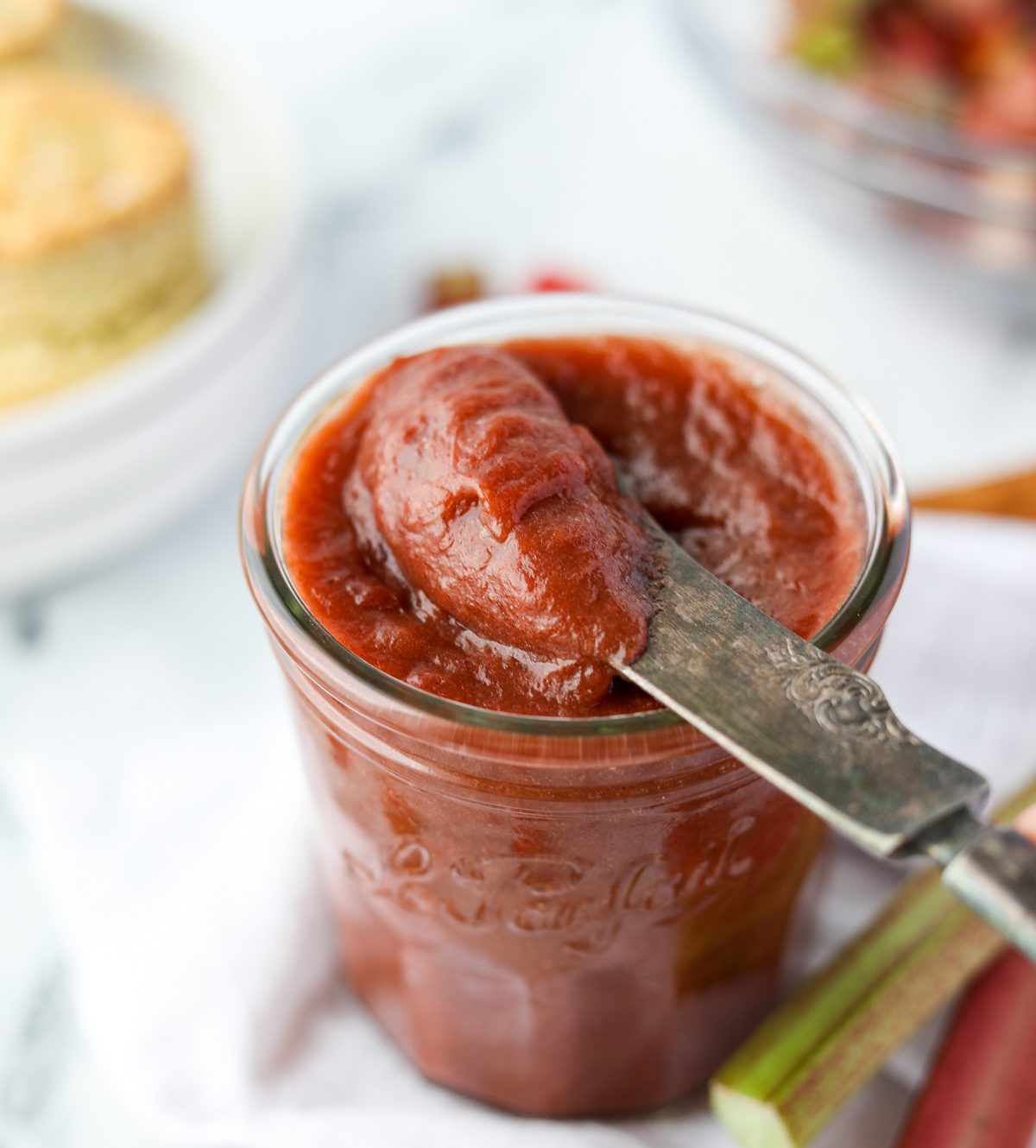
Apple butter
Soft cheeses
Fresh berries
Its balanced flavour means it can accompany almost any meal without overpowering the other ingredients.
Storage Tips
Proper storage helps maintain the bread’s freshness and texture.
Once completely cooled, wrap the loaf in a clean tea towel or place it inside a bread box. This allows the crust to remain pleasantly crisp while preventing the crumb from drying out.
If stored at room temperature, the bread is usually at its best within two to three days.
Avoid refrigerating the loaf unless absolutely necessary, as refrigeration tends to dry bread more quickly.
Freezing Instructions
Irish Brown Bread freezes exceptionally well.
Allow the loaf to cool completely before slicing. Wrap individual slices or the whole loaf tightly in plastic wrap or freezer-safe packaging, then place it inside a freezer bag or airtight container.
The bread can be frozen for up to three months.
To serve, thaw at room temperature or toast slices directly from frozen for a quick and convenient breakfast or snack.
Frequently Asked Questions
Can I make this bread without yeast?
Yes. This recipe is traditionally made without yeast. Baking soda and buttermilk work together to create a light, tender loaf.
Can I use regular milk instead of buttermilk?
Buttermilk provides the acidity needed for baking soda to work properly. If buttermilk is unavailable, mix milk with lemon juice or white vinegar and allow it to stand for about 10 minutes before using.
Why is there a cross cut into the top?
Scoring a deep cross allows heat to reach the centre of the loaf more evenly while helping the bread expand during baking. It is also a long-standing feature of traditional Irish bread.
Can I make this recipe without the optional butter and egg?
Absolutely. The loaf remains authentic and delicious using only the essential ingredients. The butter and egg simply create a slightly softer, richer crumb.
Is Irish Brown Bread healthy?
Because it contains wholemeal flour, this bread provides more fibre than many white breads. It can be a satisfying choice when enjoyed as part of a balanced diet.
Approximate Nutritional Information
The nutritional values will vary slightly depending on the exact ingredients used, but one slice generally provides approximately:
Calories: 170–200
Carbohydrates: 30–34 g
Protein: 5–7 g
Fat: 2–5 g
Fibre: 4–6 g
Sugar: 2–4 g
Sodium: Moderate
These figures are estimates and should be considered as general nutritional guidance.
Traditional Irish Brown Bread is proof that simple ingredients can produce something truly special. With its wholesome flavour, rustic appearance, and wonderfully satisfying texture, it has earned its place as a beloved classic in kitchens around the world.
Whether you are baking it for a cosy family breakfast, serving it with a warming bowl of soup, or enjoying a slice with butter and your favourite jam, this homemade loaf offers timeless comfort in every bite.
Its easy preparation, no-yeast method, and dependable results make it an excellent recipe for both new and experienced bakers. Once you’ve tasted freshly baked Irish Brown Bread straight from the oven, it’s easy to understand why this traditional loaf has remained a cherished favourite for generations.
Source
This recipe has been rewritten and expanded in original wording using traditional Irish brown bread baking methods and commonly accepted home-baking practices. The ingredient list is based on the recipe provided by the user and reflects classic Irish-style brown soda bread preparation.
Traditional Irish Brown Bread Recipe
Recipe Overview
Prep Time: 10 minutes
Bake Time: 40–45 minutes (loaf tin) or 35–40 minutes (round loaf)
Total Time: 50–55 minutes
Yield: 1 loaf (approximately 10–12 slices)
Cuisine: Irish
Course: Bread
Difficulty: Easy
Ingredients
Dry Ingredients
2 cups (250 g) coarse wholemeal flour (Irish-style or stone-ground whole wheat flour)
1 cup (120 g) all-purpose (plain) flour
1 teaspoon baking soda (bicarbonate of soda)
1 teaspoon salt
1 tablespoon brown sugar (optional, for a light touch of sweetness)
Wet Ingredients
1¾ cups (400 ml) buttermilk
1 tablespoon melted butter (optional, for a richer crumb)
1 egg (optional, for a softer texture)
Method
1. Prepare the Oven
Preheat your oven to 200°C (400°F). Grease a 9 × 5-inch (23 × 13 cm) loaf tin lightly or line it with baking parchment.
2. Combine the Dry Ingredients
In a large mixing bowl, whisk together the wholemeal flour, plain flour, baking soda, salt, and brown sugar if using. Mixing thoroughly ensures the raising agent is evenly distributed.
3. Add the Wet Ingredients
Create a well in the centre of the flour mixture. Pour in the buttermilk along with the melted butter and egg if you are including them.
Using a wooden spoon or spatula, gently stir until the mixture forms a soft dough. Avoid overmixing; the dough should remain slightly sticky.
4. Shape the Loaf
For a tin loaf, transfer the dough into the prepared loaf tin and smooth the surface.
If making a traditional round loaf, lightly flour your hands, shape the dough into a round, place it on a lined baking tray, and cut a deep cross across the top using a sharp knife.
5. Bake
Loaf Tin: Bake for 40–45 minutes.
Round Loaf: Bake for 35–40 minutes.
The bread is ready when the crust is golden brown and the base sounds hollow when tapped.
6. Cool Before Slicing
Remove the loaf from the oven and place it on a wire rack. Allow it to cool for at least 30 minutes before cutting to help the crumb set properly.
Homemade Buttermilk Alternative
If buttermilk is unavailable, make an easy substitute:
400 ml milk
1½ tablespoons lemon juice or white vinegar
Stir together and leave for about 10 minutes before using.
Serving Ideas
Enjoy Irish Brown Bread in many delicious ways:
Warm with butter and honey
Spread with your favourite fruit jam or marmalade
Serve alongside soups, chowders, or hearty stews
Toast and top with smoked salmon and cream cheese
Pair with mature Irish cheddar
Enjoy with scrambled or poached eggs
Serve with fresh salads or cold meats
Helpful Tips
Mix the dough gently for a tender crumb.
Bake immediately after combining the wet and dry ingredients.
The dough should be soft rather than dry.
Allow the loaf to cool before slicing.
Fresh baking soda provides the best rise.
Storage
Store in a bread box or wrapped in a clean tea towel for 2–3 days at room temperature.
Freeze the whole loaf or individual slices for up to 3 months.
Thaw at room temperature or toast slices directly from frozen.
Approximate Nutrition (Per Slice)
Calories: 170–200
Carbohydrates: 30–34 g
Protein: 5–7 g
Fat: 2–5 g
Fibre: 4–6 g
Sugar: 2–4 g
Sodium: Moderate
Source
This recipe is an original rewrite based on traditional Irish brown bread baking methods and classic home-baking techniques. The ingredient list follows the user-provided recipe while the instructions and accompanying content have been rewritten in original wording for educational and culinary purposes.