Ultimate Tall Butter Pound Cake Recipe – Rich, Moist & Bakery-Style Homemade Dessert
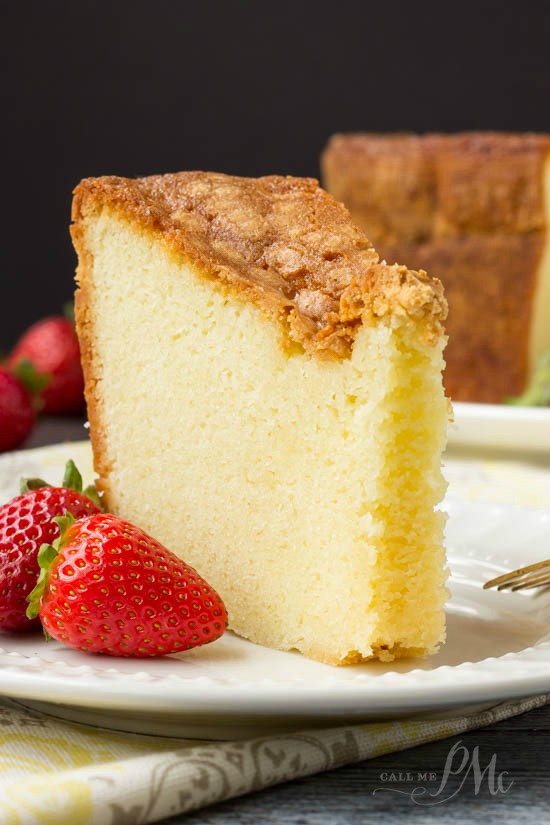
There is something timeless about a classic pound cake. With its buttery flavor, dense yet tender crumb, and beautifully golden crust, this traditional dessert remains a favorite for family gatherings, holiday celebrations, afternoon tea, and special occasions. This tall butter pound cake recipe takes everything people love about old-fashioned pound cake and elevates it into a stunning homemade masterpiece.
Unlike light sponge cakes or airy chiffon cakes, a true pound cake is known for its rich texture and satisfying bite. The secret lies in the generous amount of butter, sugar, eggs, and flour that create a luxurious cake with exceptional flavor. Every slice delivers a perfect balance of sweetness, buttery richness, and a subtle hint of fresh lemon and vanilla.
One of the reasons this recipe stands out is its impressive height and beautiful structure. Baked in a tube pan, the cake rises evenly while maintaining its signature dense texture. The result is a show-stopping dessert that looks as amazing as it tastes.
Why This Homemade Pound Cake Is So Popular
Traditional pound cakes have been cherished for generations because they rely on simple pantry ingredients while producing incredible results. This version offers:
Rich buttery flavor
Moist and tender texture
Beautiful golden crust
Perfect balance of vanilla and lemon
Excellent slicing consistency
Ideal make-ahead dessert
Wonderful for holidays and celebrations
Because of its sturdy structure, this cake is also perfect for serving with whipped cream, fresh berries, fruit compote, ice cream, or a light dusting of powdered sugar.
The Secret Behind a Perfect Pound Cake
Creating a bakery-quality pound cake is all about technique. While the ingredient list may appear simple, each component plays a crucial role in the final texture and flavor.
Premium Butter Creates Rich Flavor
Butter serves as the foundation of any great pound cake. Using room-temperature butter allows it to cream properly with the sugar, creating tiny air pockets that help the cake rise while maintaining its signature density.
The butter contributes:
Rich flavor
Moist texture
Smooth crumb
Golden color
Allowing the butter to soften naturally before mixing helps ensure even incorporation and a smoother batter.
Granulated Sugar Enhances Structure
Sugar does more than sweeten the cake. During the creaming process, sugar crystals help create volume by trapping air within the butter. This process contributes to the cake’s height and tender crumb.
Properly creamed butter and sugar should appear pale, light, and fluffy before the eggs are added.
Eggs Provide Stability and Moisture
This recipe contains a generous amount of eggs, which is essential for achieving the cake’s tall structure and rich texture.
Eggs contribute:
Moisture
Protein structure
Rich flavor
Smooth texture
Improved rise
Adding eggs one at a time helps create a stable batter and prevents curdling.
Flour Forms the Cake’s Framework
All-purpose flour provides the structure necessary to support the rich ingredients. Sifting the flour with the baking powder and salt ensures even distribution throughout the batter.
The flour creates:
Stability
Texture
Sliceable crumb
Proper cake height
Accurate measuring is important to avoid a dry or heavy cake.
Fresh Lemon Juice Brightens the Flavor
A small amount of fresh lemon juice adds a subtle citrus note that balances the richness of the butter and sugar. Rather than making the cake taste strongly lemon-flavored, it enhances the overall freshness and complexity.
Freshly squeezed lemon juice is always preferred because it offers a brighter, more natural taste.
Pure Vanilla Extract Adds Warmth
Vanilla extract enhances every other flavor in the cake. It complements both the butter and lemon while adding a warm bakery-style aroma.
Using pure vanilla extract instead of imitation flavoring delivers the best results.
Tips for Baking the Best Pound Cake
Even experienced bakers can improve their results by following a few important guidelines.
Bring Ingredients to Room Temperature
Cold ingredients do not blend smoothly and may create an uneven batter.
For best results:
Butter should be soft
Eggs should be room temperature
Lemon juice should not be ice cold
Room-temperature ingredients combine more easily and produce a smoother texture.
Cream Thoroughly
The creaming stage is one of the most important parts of the recipe.
When butter and sugar are beaten together properly, they create microscopic air pockets that contribute to a lighter texture and better rise.
Do not rush this step.
Add Eggs Gradually
Adding eggs one at a time allows each egg to fully incorporate before the next is added. This helps maintain a stable emulsion and prevents the batter from separating.
Avoid Overmixing
Once the flour mixture is added, mix only until everything is incorporated.
Excessive mixing can develop gluten, leading to a tougher texture.
Prepare the Pan Carefully
Greasing and lightly flouring the tube pan helps ensure clean release after baking.
A properly prepared pan:
Prevents sticking
Protects the cake’s shape
Creates cleaner edges
Bake Low and Slow
Pound cakes benefit from moderate oven temperatures and longer baking times.
The slower baking process allows:
Even cooking
Better moisture retention
Consistent texture
Beautiful golden color
How to Know When the Cake Is Finished Baking
Every oven performs slightly differently, so visual cues are important.
The cake is done when:
The top is golden brown
The surface springs back lightly when touched
A tester inserted near the center comes out clean
The cake begins pulling slightly away from the sides of the pan
Avoid opening the oven frequently during baking, as sudden temperature changes may affect the rise.
Cooling the Cake Correctly
Cooling is an essential step that should never be rushed.
After removing the cake from the oven:
Place the pan on a wire rack.
Allow the cake to cool gradually.
Once sufficiently cooled, remove it from the pan.
Continue cooling completely before slicing.
This process helps maintain the cake’s structure and prevents breakage.
Serving Suggestions
One of the greatest strengths of pound cake is its versatility.
Serve it:
Plain with coffee or tea
With fresh strawberries
Alongside blueberries and whipped cream
With vanilla ice cream
Topped with lemon glaze
Dust with powdered sugar
Paired with fruit preserves
As part of a holiday dessert table
The rich flavor pairs beautifully with a variety of toppings and accompaniments.
Storage Instructions
This cake stores exceptionally well and often tastes even better the next day.
Room Temperature
Store in an airtight container for up to 4 days.
Refrigerator
Keep refrigerated for up to 1 week in a sealed container.
Freezer
Wrap individual slices or the entire cake tightly and freeze for up to 3 months.
Allow frozen cake to thaw at room temperature before serving.
Common Pound Cake Mistakes to Avoid
To achieve the best results, avoid these common errors:
Using Cold Ingredients
Cold butter and eggs can lead to uneven mixing and poor texture.
Overbaking
Excessive baking can dry out the cake.
Skipping the Sifting Step
Sifting helps distribute ingredients evenly and reduces lumps.
Removing the Cake Too Soon
Allowing the cake to cool properly helps preserve its structure.
Overmixing the Batter
Too much mixing can create a dense, tough crumb.
Why Families Love This Classic Dessert
This homemade tall butter pound cake combines everything people want in a traditional dessert. It is rich, moist, flavorful, and elegant enough for special occasions while remaining simple enough for everyday baking.
The combination of butter, vanilla, fresh lemon juice, and eggs creates a deeply satisfying flavor profile that never goes out of style. Whether served at a holiday gathering, birthday celebration, weekend brunch, or family dinner, this classic pound cake consistently earns rave reviews.
Its impressive height, golden appearance, and melt-in-your-mouth texture make it a recipe worth saving and sharing. Once you experience a slice of this buttery homemade cake, it is easy to understand why pound cake has remained one of the most beloved desserts for generations.
Source: Adapted and rewritten from the recipe information provided by the user; expanded with original baking tips, serving suggestions, and educational content for informational purposes.
Simple Recipe Card
Tall Butter Pound Cake
Preparation Time: 15 minutes
Baking Time: 1 hour 25 minutes
Total Time: 1 hour 40 minutes
Ingredients
4 cups all-purpose flour
1 teaspoon baking powder
½ teaspoon salt
2 cups butter, softened to room temperature
4 cups granulated sugar
10 large eggs, room temperature
¼ cup fresh lemon juice
1 tablespoon pure vanilla extract
Directions
Preheat oven to 325°F (163°C).
Grease and lightly flour a tube pan.
In a bowl, sift together the flour, baking powder, and salt.
In a large mixing bowl, beat the softened butter until creamy.
Gradually add the sugar, beating continuously until light and fluffy.
Add eggs one at a time, mixing well after each addition.
Slowly add the flour mixture and mix until combined.
Stir in the fresh lemon juice and vanilla extract.
Transfer the batter to the prepared tube pan and spread evenly.
Bake for approximately 1 hour 25 minutes, or until a cake tester inserted into the center comes out clean.
Remove from the oven and cool on a wire rack.
Once cooled, slice and serve.
Nutrition Information (Per Serving)
Calories: 749 kcal
Carbohydrates: 99g
Protein: 10g
Fat: 35g
Saturated Fat: 20g
Cholesterol: 257mg
Sodium: 435mg
Potassium: 157mg
Fiber: 1g
Sugar: 66g
Vitamin A: 1200 IU
Vitamin C: 2mg
Calcium: 56mg
Iron: 2.8mg
Note: Nutrition values are estimates and may vary depending on ingredient brands, measuring methods, and portion sizes.