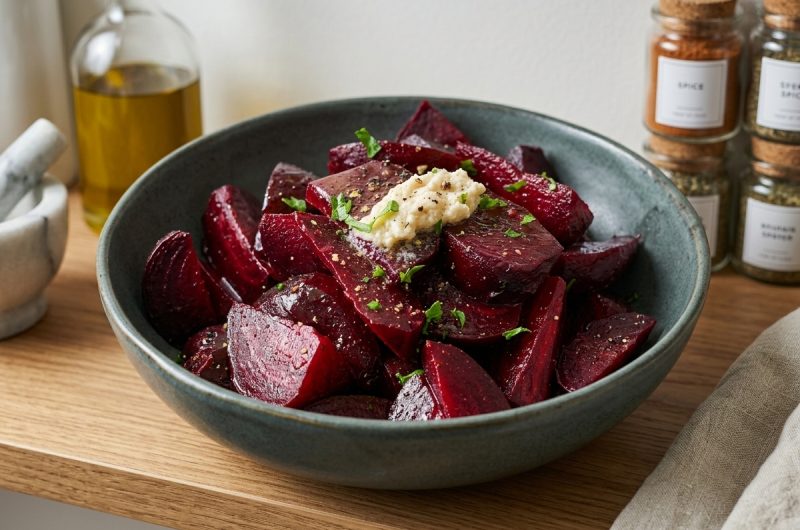
Pressure cooked beets are one of the easiest ways to turn fresh whole beets into a tender, flavorful side dish without spending a long time in the kitchen. The pressure cooker softens the beets beautifully while helping preserve their naturally sweet, earthy flavor.
Finished with butter, salt, and pepper, these beets are simple enough for a weeknight dinner but delicious enough to serve at a family gathering or holiday meal.
Why Pressure Cooking Beets Works So Well
A Faster Way to Cook Beets
Traditional roasted beets can take quite a while to become tender, especially when the beets are larger or cooked whole. Pressure cooking dramatically reduces the hands-on effort. Once the beets are washed and placed on the steamer tray, the pressure cooker does most of the work. The result is tender cooked beets that are easy to peel and ready to season in a relatively short amount of time.
Naturally Sweet and Tender
Beets have a distinctive earthy flavor with a natural sweetness that becomes especially enjoyable once they are fully cooked. Pressure cooking creates a soft, tender texture without requiring complicated preparation. After cooking, the skins loosen considerably, making them easy to remove by gently rubbing the surface. A little butter, salt, and pepper are all that are needed to finish the dish.
Choosing Fresh Beets for Pressure Cooking
Look for Firm, Similar-Sized Beets
For the most evenly cooked pressure cooker beets, choose beets that are firm and relatively similar in size. Beets measuring around 2 to 3 inches in diameter work particularly well for this recipe. When the vegetables are close in size, they tend to finish cooking at approximately the same time, so you are less likely to end up with some beets that are soft while others remain firm in the center.
Keep the Skins On
There is no need to peel the beets before pressure cooking. In fact, keeping the skins intact makes preparation easier and helps you avoid handling the beet flesh before cooking. Simply rinse the beets thoroughly and pat them dry. Once they have cooked and cooled enough to handle, the skins can usually be rubbed away with very little effort.
How to Prepare Beets for the Pressure Cooker
Clean the Beets Thoroughly
Fresh beets can carry soil and dirt because they grow underground, so washing them properly is an important first step. Rinse each beet under cool running water and gently remove any visible dirt from the surface. A vegetable brush can be useful if the beets are particularly muddy. Once clean, pat them dry before placing them into the pressure cooker.
Add Water to the Cooking Pot
Pressure cooking requires liquid to create the steam needed to build pressure. For this recipe, one cup of water is added to the cooking pot. The beets are not submerged directly in the water. Instead, they sit on a steamer tray or trivet above the water, allowing them to cook with the steam while remaining intact.
How to Make Pressure Cooked Beets
Step 1: Add the Water
Begin by pouring one cup of water into the pressure cooker cooking pot. The water provides the necessary moisture for pressure cooking and creates the steam that surrounds the beets during the cooking process. Make sure the cooking pot is properly positioned in the appliance before adding the water.
Step 2: Arrange the Beets
Place the steamer tray or trivet inside the cooking pot. Arrange the cleaned, unpeeled beets on top of the tray. Try to position them so there is enough room for the steam to circulate around them. Keeping the beets elevated above the water also prevents them from sitting directly in the liquid.
Step 3: Seal the Pressure Cooker
Close the pressure cooking lid and lock it securely into position. Turn the pressure release toggle to the sealing position. The exact controls can vary slightly between pressure cooker models, but the goal is to ensure the appliance is properly sealed before beginning the high-pressure cooking cycle.
Step 4: Cook at High Pressure
Set the pressure cooker to high pressure and cook the beets for 15 minutes. This cooking time is suitable for beets around 2 to 3 inches in diameter. Larger beets may require additional cooking time, while smaller ones can become tender more quickly. Keeping the beets relatively uniform in size helps make the cooking process more predictable.
Step 5: Allow a Natural Release
Once the 15-minute cooking period has finished, allow the pressure to release naturally for another 15 minutes. This gradual release gives the beets additional time to soften and allows the pressure inside the appliance to decrease steadily. After the natural release period is complete, carefully open the lid away from your face.
Peeling Cooked Beets Easily
Let Them Cool First
Freshly pressure cooked beets will be extremely hot, so allow them to cool enough to handle safely before peeling. Trying to remove the skins while the beets are too hot can make the process uncomfortable and difficult. Once they are cool enough to hold, gently rub the outside of each beet with your fingers.
The Skins Should Slip Away
One of the best things about cooking beets under pressure is how easily the skins can be removed afterward. In most cases, the cooked peel loosens and comes away with gentle rubbing. There is no need for a vegetable peeler. Once peeled, trim or discard any remaining skin and prepare the tender beet flesh for serving.
Serving Pressure Cooked Beets
Keep the Seasoning Simple
The natural flavor of cooked beets is strong enough to stand on its own, so this recipe uses a very simple finishing combination. Transfer the peeled beets to a bowl and cut them into wedges. Add salt and pepper according to taste, then place butter over the warm beets. The heat from the cooked vegetables helps the butter melt and coat the pieces.
Serve as an Easy Side Dish
Pressure cooked beets make a colorful side dish for a wide variety of main courses. Their naturally sweet flavor works especially well alongside savory proteins and hearty dinners. They can be served with roasted meats, poultry, or other vegetables when you want a simple vegetable side that does not require much additional preparation.
Other Ways to Enjoy Cooked Beets
Add Them to Salads
Cooked beets are an easy way to add color, sweetness, and a soft texture to salads. Cut the cooled beets into smaller wedges or bite-sized pieces and combine them with your favorite salad ingredients. Their deep ruby color can make an otherwise simple salad look much more appealing, while their earthy sweetness adds another layer of flavor.
Reheat Leftover Beets
Leftover pressure cooked beets can also be transformed into a quick second meal. Warm them in a skillet with butter, then season with salt and pepper. For an extra savory finish, they can be paired with cheddar cheese. This is a useful way to turn leftover cooked vegetables into something that feels different from the original serving.
Using Beet Greens
Do Not Automatically Discard the Tops
If your fresh beets still have their leafy tops attached, the greens do not necessarily need to go to waste. Beet greens can be prepared much like other leafy vegetables. They can be cooked separately and served as a vegetable side, allowing you to make more use of the whole bunch of beets.
Natural Color and Sweetness
Why Beets Look So Vibrant
The deep red-purple color of many beets is one of their most recognizable features. Once cooked, that rich color becomes even more noticeable on the plate. This makes pressure cooked beets particularly useful when you want a simple side dish that adds visual interest to an otherwise neutral-looking dinner.
A Naturally Sweet Vegetable
Beets have a naturally sweet taste that becomes more pronounced after cooking. The butter in this recipe adds richness without overwhelming that flavor. Salt and pepper provide just enough seasoning to balance the sweetness and highlight the earthy character of the vegetable.
Pressure Cooked Beets for Meal Preparation
Prepare Them Ahead
Cooked beets can be useful for meal preparation because they can be made in advance and used in several different ways. Once cooked and cooled, they can be added to salads, served as a side dish, or reheated with simple seasonings. Preparing them ahead can make it easier to include vegetables in busy weekday meals.
A Simple Vegetable for Busy Days
When you need a vegetable side without complicated preparation, pressure cooked beets are a practical option. There is no need to peel the raw vegetables, roast them for a long period, or prepare an elaborate sauce. The pressure cooker handles the main cooking process, leaving you with only the peeling, cutting, and seasoning to finish the dish.
Common Questions About Pressure Cooked Beets
Do You Peel Beets Before Pressure Cooking?
No. The beets are cooked whole and unpeeled in this recipe. Keeping the skins on makes preparation easier. After pressure cooking and cooling, the skins can be rubbed off with your fingers.
How Long Should Beets Cook Under Pressure?
For beets approximately 2 to 3 inches in diameter, this recipe uses 15 minutes at high pressure followed by a 15-minute natural release. The exact time can vary depending on the size of the beets and the particular pressure cooker being used.
Why Are My Beets Difficult to Peel?
If the skins are not coming away easily, the beets may need more cooking time, particularly if they are larger than the size specified in the recipe. Allowing them to cool slightly before handling can also make peeling more comfortable.
Can Different-Sized Beets Be Cooked Together?
They can, but similarly sized beets are preferable because they cook more evenly. If some beets are considerably larger than others, the smaller ones may become tender before the larger ones are completely cooked.
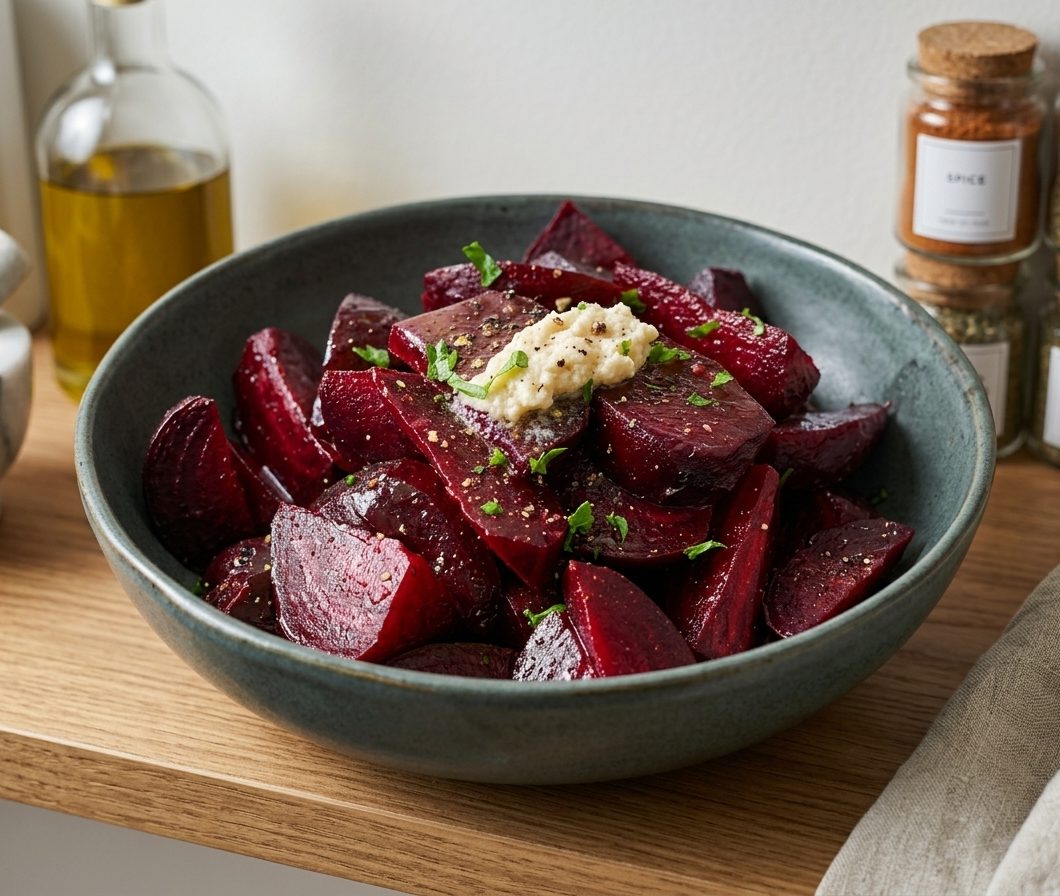
Pressure Cooked Beets Side-Dish
 Recipe by admin
Tender pressure cooked beets finished with butter, salt, and pepper.
8
servings5
minutes5
minutes75
kcal15
minutes35
minutesIngredients
2 lbs beets, approximately 2–3 inches in diameter (the size of a small apple), unpeeled
1 cup water
Salt and pepper, as desired
2 tbsp butter
Directions
- Rinse the beets thoroughly and pat them dry. Pour 1 cup of water into the pressure cooker cooking pot.
- Position the steamer tray or trivet inside the pot and arrange the beets on top.
- Secure the pressure cooking lid and lock it into place. Turn the toggle switch to the sealing position.
- Cook the beets at high pressure for 15 minutes.
- When cooking is complete, allow a natural pressure release for 15 minutes.
- Carefully remove the lid, opening it away from your face.
- Allow the cooked beets to cool enough to handle safely.
- Gently rub the beets to remove the skins. The peels should come away easily.
- Transfer the peeled beets to a bowl and cut them into wedges.
- Season with salt and pepper, add the butter over the warm beets, and serve.
Notes
- Beets can stain hands, cutting boards, and kitchen surfaces because of their natural pigments.
- Wear disposable gloves while peeling the cooked beets if you want to prevent staining on your hands.
- Use a plastic cutting board or line your cutting board with parchment paper to help avoid beet stains.
- Choose beets that are similar in size, ideally around 2–3 inches in diameter, so they cook evenly.
- There is no need to peel the beets before pressure cooking. The skins should loosen and rub off easily after cooking.
- If the beets are larger than the recommended size, they may require additional cooking time to become fully tender.
- Always follow your pressure cooker’s safety instructions when sealing, cooking, and releasing pressure.
- Open the pressure cooker lid away from your face after the natural release to avoid hot steam.
- Allow the beets to cool enough to handle safely before peeling and cutting.
- Fresh beet greens can also be cooked and enjoyed separately instead of being discarded.
Nutrition Facts
- Calories: 75kcal
- Fat: 3g
- Carbohydrates: 11g
- Fiber: 2g
- Sugar: 9g
- Protein: 2g